Listeners:
Top listeners:
-
 play_arrow
Tropik Riddim Radio Reggae At It's Best 24/7
-
 play_arrow
Seductively Silky Radio The Best In Slow Jams 24/7
-
 play_arrow
Seductive Vibes Radio For All The Lovers. And The Lovers Of Music
music_note

UMG Files Motion To Dismiss Drake’s Amended Lawsuit
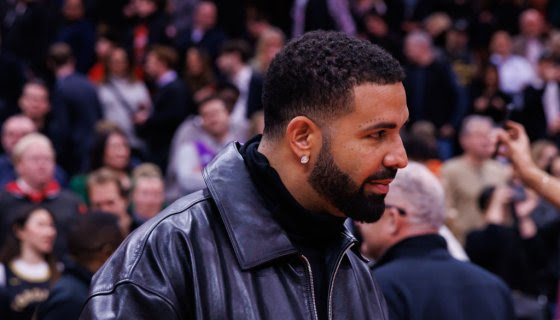
You might find the recent developments in UMG’s motion to dismiss Drake’s amended lawsuit intriguing. UMG argues that Drake’s claims about compensation and streaming data manipulation lack solid evidence. They’re pushing for arbitration instead of a court battle. This legal tussle not only affects Drake but could set a precedent in the music industry. What could this mean for artists and their contracts moving forward?
Background of the Legal Dispute
The legal dispute between Drake and Universal Music Group (UMG) stems from disagreements over contract terms and revenue sharing.
You’ll find that these issues emerged as Drake sought to renegotiate aspects of his contract, aiming for a better share of the profits generated from his music.
UMG, on the other hand, stands by the original terms, arguing that they’ve fulfilled their obligations and contributed significantly to Drake’s success.
This clash has led to a breakdown in negotiations, prompting Drake to take legal action.
As tensions rise, both parties are determined to protect their interests, and the outcome could reshape their relationship and impact the broader music industry landscape.
Understanding these complexities is crucial as the case unfolds.
Overview of UMG’s Motion to Dismiss
In response to Drake’s lawsuit, UMG has filed a motion to dismiss, arguing that the claims lack merit and fail to establish a legal basis for the case.
They contend that the allegations are unfounded and don’t prove any wrongdoing on their part. UMG emphasizes that the lawsuit should be dismissed because it relies on unsupported assertions rather than solid evidence.
They believe that the claims don’t meet the necessary legal standards required to proceed. By filing this motion, UMG aims to protect its interests and resolve the matter swiftly, saving both parties time and resources.
Ultimately, they assert that the court should dismiss the case to uphold the integrity of contractual agreements in the music industry.
Key Allegations in Drake’s Lawsuit
While UMG argues that Drake’s claims lack merit, the lawsuit outlines several key allegations that challenge the company’s practices.
You’ll notice that Drake accuses UMG of failing to properly compensate artists, claiming they’ve withheld royalties and manipulated streaming data. He also highlights the alleged lack of transparency in financial dealings, suggesting that artists are kept in the dark about their earnings.
Additionally, Drake points to restrictive contract terms that limit an artist’s creative freedom and opportunities. Furthermore, he asserts that UMG prioritizes profits over artist welfare, potentially harming the quality of music produced.
These allegations paint a stark picture of an industry where artists struggle to receive fair treatment and compensation, raising significant concerns about UMG’s business model.
UMG’s Arguments Against the Claims
UMG contends that Drake’s allegations are unfounded and misrepresent the company’s commitment to artist welfare. They argue that the claims lack substantial evidence, asserting that their contracts are standard within the industry.
UMG emphasizes their long-standing dedication to supporting artists through various avenues, including marketing, distribution, and financial support. They claim that Drake’s lawsuit fails to recognize the benefits he’s received as a UMG artist, including significant resources dedicated to his career.
Furthermore, UMG points out that any disputes regarding royalties or contractual terms should be addressed through the agreed-upon arbitration process, not through litigation. By highlighting these points, UMG aims to demonstrate that they’ve acted in good faith throughout their partnership with Drake.
Potential Implications for the Music Industry
As Drake’s lawsuit unfolds, it could set a precedent that reshapes how record labels interact with their artists.
If the court rules in Drake’s favor, you might see a shift toward greater transparency in contracts and revenue sharing. This case could empower artists to challenge traditional practices, leading to more equitable agreements.
Labels may need to rethink their strategies, prioritizing artist relationships to avoid potential litigation. Additionally, the outcome could encourage other artists to pursue legal action against unfair practices, creating a ripple effect across the industry.
Ultimately, the resolution of this lawsuit could redefine the power dynamics between artists and labels, fostering a more collaborative environment for music creation and distribution.
Reactions From Industry Experts
Industry experts are weighing in on the implications of Drake’s lawsuit against UMG, highlighting the potential for significant changes in artist-label dynamics.
Many believe this case could reshape how contracts are structured, emphasizing greater transparency and fairness for artists. Experts point out that if Drake wins, it might encourage other artists to challenge traditional agreements, fostering a more equitable industry landscape.
Some analysts suggest this could lead to labels reevaluating their practices to retain top talent. Additionally, the lawsuit might spark conversations about the balance of power between artists and labels, urging both sides to reassess their roles in the modern music ecosystem.
Next Steps in the Legal Proceedings
While the legal landscape surrounding Drake’s lawsuit unfolds, both sides are preparing for the next steps in the proceedings. UMG’s motion to dismiss will likely lead to a hearing where arguments will be presented.
You’ll want to keep an eye on how the court responds, as it could set the tone for future negotiations. If the motion is denied, expect both parties to engage in discovery, gathering evidence to support their claims.
Alternatively, if UMG’s motion is granted, Drake may need to reassess his strategy. Throughout this process, you’ll see legal briefs filed, potential settlements discussed, and possibly even a trial date set.
Stay tuned, as developments could significantly impact the music industry and Drake’s career.
Conclusion
In conclusion, UMG’s motion to dismiss Drake’s lawsuit highlights the complexities of artist-label relationships. As both sides prepare for the next steps, the outcome could significantly impact how disputes are handled in the music industry. If UMG successfully defends against Drake’s claims, it might reinforce the industry’s reliance on arbitration and contractual agreements. On the other hand, if Drake prevails, it could lead to a reevaluation of compensation practices and streaming data transparency in the industry.
Post comments (0)