Listeners:
Top listeners:
-
 play_arrow
Tropik Riddim Radio Reggae At It's Best 24/7
-
 play_arrow
Seductively Silky Radio The Best In Slow Jams 24/7
-
 play_arrow
Seductive Vibes Radio For All The Lovers. And The Lovers Of Music
music_note
Ghostface Killah Says Lil Wayne Team Tried Charging Him $150K For A Feature
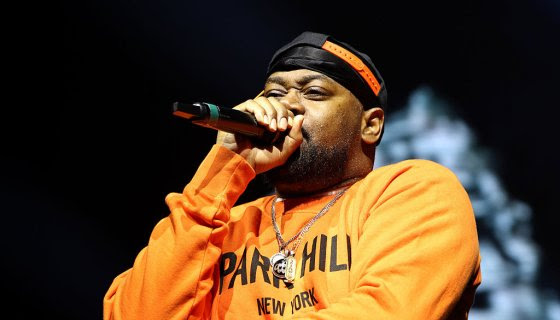
You might find it surprising that Ghostface Killah recently shared how Lil Wayne’s team wanted to charge him $150,000 for a feature. This situation raises questions about the true value of collaborations in hip-hop. Are artists prioritizing profit over genuine connections? As the debate unfolds, it’s clear that this incident reflects deeper issues within the industry. What does this mean for future collaborations?
The Value of Collaborations in Hip-Hop
Collaborations in hip-hop aren’t just about two artists coming together; they create a unique blend of styles and perspectives that can elevate a track to new heights.
When you hear two distinct voices merging, it often sparks creativity and innovation. Each artist brings their own flavor, which can lead to unexpected sounds and themes. You get the chance to experience a fusion of lyrical prowess and diverse beats, capturing listeners in new ways.
Collaborations also allow you to tap into each other’s fan bases, expanding your reach and impact. Plus, working with different artists can push you out of your comfort zone, inspiring you to explore new techniques and ideas.
Ultimately, these partnerships can redefine what’s possible in hip-hop.
Ghostface Killah’s Perspective on Industry Pricing
When artists come together in hip-hop, they often navigate complex industry dynamics, including pricing for features.
Ghostface Killah’s experience with Lil Wayne’s team highlights the stark realities of these negotiations. You may find it surprising that a fee of $150,000 is on the table for a feature.
Ghostface, with his legendary status, values authenticity and artistry over inflated price tags. He believes that collaborations should focus on mutual respect and artistic synergy rather than just dollar signs.
This perspective invites a broader conversation about what artists bring to the table and how pricing can impact genuine collaborations.
Ultimately, it’s about finding common ground that honors both the art and the artist’s worth in the ever-evolving music landscape.
Lil Wayne’s Influence and Market Demand
Lil Wayne’s impact on the hip-hop landscape is undeniable, as his unique style and ability to adapt keep him in high demand.
You’re likely aware of how his influence stretches far beyond just his own music; he’s inspired countless artists and shaped trends within the genre.
His signature sound, characterized by clever wordplay and innovative flows, resonates with fans and creators alike.
As a result, collaborations with him often bring significant attention and credibility to other artists, driving up their market value.
You can see why many are willing to pay a premium for a feature.
This constant demand highlights the lasting legacy he’s built, reinforcing his status as a key player in the industry.
The Impact of Features on Artist Revenue
Features can significantly boost an artist’s revenue, as they tap into the established fan bases of collaborating musicians.
When you feature on a popular track, you’re not just sharing your talent; you’re also gaining exposure to new listeners who mightn’t have encountered your work otherwise. This collaboration can lead to increased streams, sales, and merchandise opportunities.
Additionally, artists often charge premium rates for features, which can become a substantial revenue stream. If you play your cards right, these features can enhance your brand, attracting more lucrative partnerships and gigs.
In a competitive industry, leveraging features can be a smart financial move, helping you grow your career while diversifying your income sources.
Artistic Integrity vs. Commercial Interests
Collaboration often brings about a financial windfall, but it can also spark a debate over artistic integrity versus commercial interests.
When artists like Ghostface Killah and Lil Wayne negotiate features, the conversation often shifts from creativity to dollar signs. You might feel torn between wanting to create meaningful art and the pressure to chase profits.
Charging high fees can lead you to question whether the collaboration is about the music or just the money. This dilemma impacts not only the artists involved but also their fans, who crave authentic expressions rather than cash-driven projects.
Ultimately, it’s crucial to strike a balance, ensuring that both artistic vision and commercial viability coexist without compromising the essence of the art.
The Future of Collaborations in the Music Industry
As the music industry evolves, artists are increasingly embracing innovative collaborations that blend genres and break traditional boundaries.
You’ll notice how artists from different backgrounds are teaming up, creating unique sounds that appeal to broader audiences. This trend not only sparks creativity but also allows you to discover music that transcends conventional labels.
With advances in technology and social media, collaborating has never been easier. You can connect with artists worldwide, facilitating exciting partnerships that mightn’t have happened before.
As collaborations become more commonplace, the focus shifts from just individual fame to collective artistic expression. Expect to see more unexpected pairings, and who knows? Your next favorite track might just come from an unlikely collaboration that pushes the envelope further.
Conclusion
In the evolving landscape of hip-hop, collaborations should prioritize creativity over hefty price tags. Ghostface Killah’s experience with Lil Wayne’s team highlights the growing tension between artistic integrity and commercial interests. As artists, it’s essential to foster genuine partnerships that respect each other’s craft. By focusing on mutual respect and synergy, we can ensure that the heart of hip-hop remains vibrant and authentic, paving the way for meaningful collaborations that resonate with fans and artists alike.
Post comments (0)