Listeners:
Top listeners:
-
 play_arrow
Tropik Riddim Radio Reggae At It's Best 24/7
-
 play_arrow
Seductively Silky Radio The Best In Slow Jams 24/7
-
 play_arrow
Seductive Vibes Radio For All The Lovers. And The Lovers Of Music
music_note

Shalamar: The Rift That Ended a Funk Dynasty
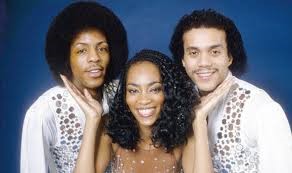
During the late 1970s and early 1980s, Shalamar stood at the center of American R&B and funk excellence. Formed by Soul Train creator Don Cornelius and booking agent Dick Griffey, the group helped define the “Solar Sound” — slick, danceable, and fashion-forward.
With hits like “A Night to Remember,” “Second Time Around,” and “Make That Move,” Shalamar became one of the hottest groups of the early ’80s. But behind the smooth choreography and picture-perfect smiles was a growing creative and personal divide — one that would eventually tear the trio apart.
🌟 The Classic Lineup
By 1979, the lineup most fans recognize — Jody Watley, Howard Hewett, and Jeffrey Daniel — was solidified.
-
Jody Watley was the style and attitude: a fashion trendsetter and visual icon who helped define the group’s glamorous image.
-
Howard Hewett, with his soulful voice, was the heart — the lead vocalist who gave Shalamar its emotional center.
-
Jeffrey Daniel was the movement: the dancer who brought fluid motion and street flair (and later introduced the moonwalk to the world on Top of the Pops).
Together, they created magic — a combination of R&B vocal power, disco-funk production, and pop appeal that made them international superstars.
⚡ The Growing Rift
Success, however, came with growing tension.
By 1983, cracks within Shalamar were beginning to show. The group was signed to Solar Records, where Griffey exercised strict control over business and creative decisions.
Jody Watley felt that the group wasn’t getting the financial respect or creative input it deserved — particularly from management, which was male-dominated and often dismissive of her ideas. She pushed for artistic autonomy and better business transparency.
At the same time, Howard Hewett was frustrated by the constant touring schedule, internal disagreements, and lack of personal recognition. As the group’s lead singer, he often bore the pressure of representing Shalamar in interviews and on stage, while also feeling constrained by the tight creative framework around him.
According to several interviews over the years, Watley and Hewett clashed over leadership and artistic direction. While there was mutual respect musically, their personal chemistry off-stage was strained.
Hewett leaned more toward traditional soul and gospel influences, while Watley — always forward-thinking — wanted to fuse R&B with fashion, new wave, and pop.
Those creative differences — compounded by communication breakdowns and business frustrations — led to growing resentment within the camp.
💥 The Breaking Point
By 1983–1984, after releasing the hit album The Look, the tension reached a breaking point.
Jody Watley and Jeffrey Daniel decided they’d had enough of the restrictive environment at Solar Records. They quietly left the group after the Friends and Look tours, frustrated by both management and internal strife.
Watley, in particular, was outspoken about wanting independence. She later reflected that she felt “boxed in — seen as just a pretty girl who could dance,” when in fact she was a songwriter, visionary, and style innovator.
Meanwhile, Howard Hewett stayed on briefly with Solar and the remaining Shalamar lineup, recording Heartbreak in 1984 before leaving to launch his solo career. His debut solo album, I Commit to Love (1986), produced hits like “I’m for Real” and “Stay,” confirming his strength as a solo artist.
💃🏽 Jody Watley’s Rise
For Jody Watley, leaving Shalamar was risky — but it paid off.
In 1987, she re-emerged as a solo superstar with her self-titled debut album Jody Watley, featuring hits like “Looking for a New Love” and “Don’t You Want Me.”
Her new image — bold, fashion-forward, and unapologetically independent — helped redefine what a female R&B and pop artist could be. Watley won the Grammy Award for Best New Artist in 1988, proving her instincts had been right all along.
She became one of the defining figures of late ’80s R&B, paving the way for future crossover artists like Janet Jackson, Toni Braxton, and Beyoncé.
🎶 The Legacy
Though the breakup was painful, Shalamar’s legacy remains intact.
Their fusion of funk, soul, and style helped shape the blueprint for modern R&B performance groups — from TLC and En Vogue to Destiny’s Child. Their tight choreography, layered harmonies, and high-energy visuals set the standard for the next generation.
And while the Watley–Hewett rift reflected creative and personal conflict, it also symbolized something larger: the growing struggle for artists to control their image, their music, and their business — especially within a system that often minimized their individuality.
In many ways, Shalamar’s breakup was the natural result of three visionaries growing beyond the boundaries of a single group.
🕊 Final Reflection
Behind every smooth step and soulful harmony was a story of passion, pride, and purpose.
Jody Watley and Howard Hewett were never just bandmates — they were two artists with distinct visions, destined to grow in different directions.
Their brief but brilliant collaboration in Shalamar gave R&B some of its most joyful, stylish, and timeless music.
And even though creative tension pulled them apart, that same tension also fueled the fire that made their work unforgettable.
🎵 “A Night to Remember” wasn’t just a song — it was a prophecy.
Because Shalamar’s moment in the spotlight truly was one the world will never forget.

Post comments (0)