Listeners:
Top listeners:
-
 play_arrow
Tropik Riddim Radio Reggae At It's Best 24/7
-
 play_arrow
Seductively Silky Radio The Best In Slow Jams 24/7
-
 play_arrow
Seductive Vibes Radio For All The Lovers. And The Lovers Of Music
music_note

Stayin’ Alive: How The Bee Gees Changed Pop Forever
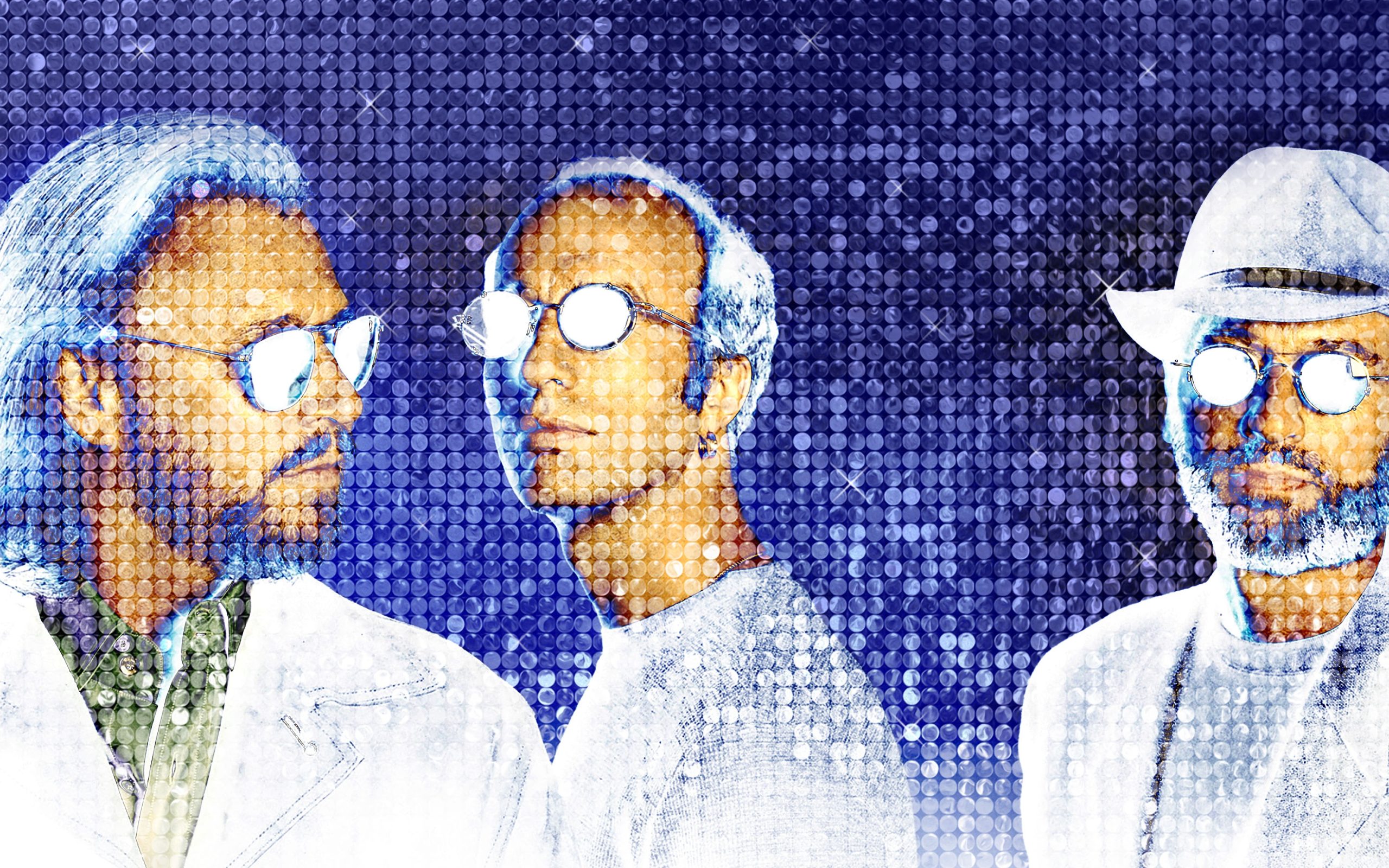
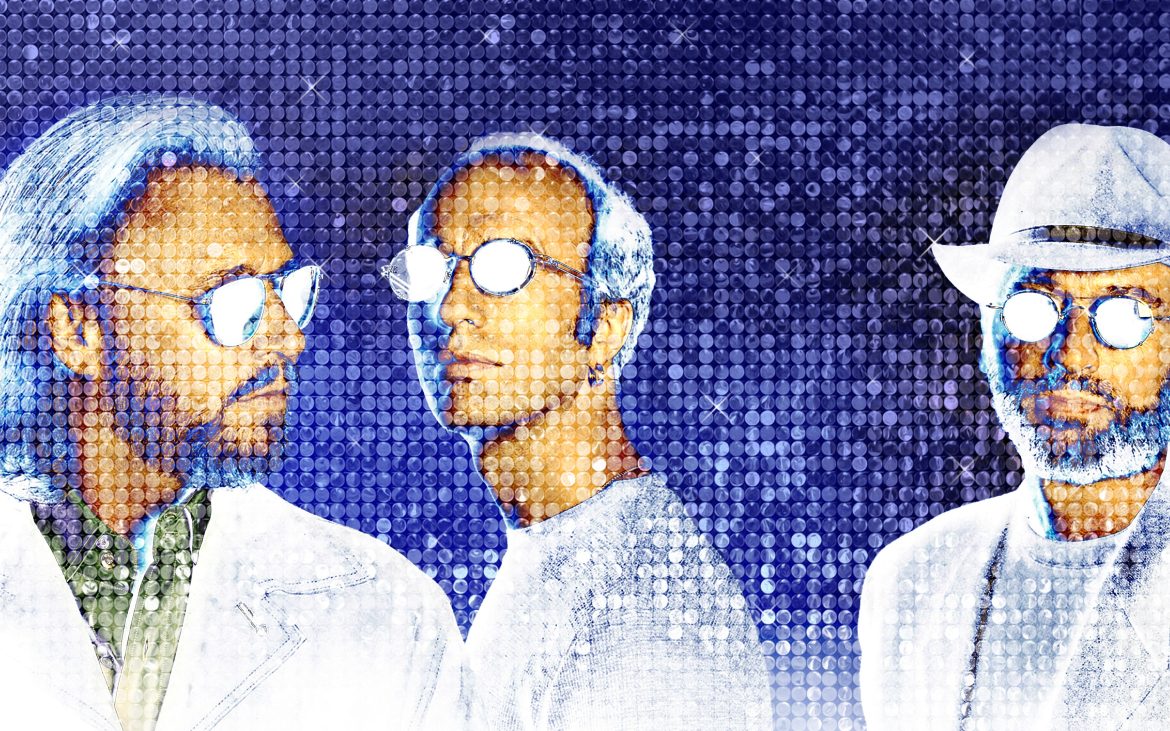
The Soundtrack, The Style, and The Global Fever That Never Burned Out
Few musical moments have ever reshaped global culture the way The Bee Gees did with Saturday Night Fever. The soundtrack didn’t just sell millions of copies — it became a worldwide heartbeat, defining a decade and changing pop, dance, and film forever.
When Barry, Robin, and Maurice Gibb wrote “Stayin’ Alive” in 1977, they weren’t just writing a song — they were capturing the spirit of an entire generation trying to move, survive, and shine through the noise of the times.
🌆 The Cultural Backdrop: From Grit to Glamour
The mid-1970s were restless. The Vietnam War had ended, the civil rights movement had shifted, and cities like New York were teetering between decay and rebirth. Amid the tension, people turned to nightlife — to dance floors, music, and movement — as an escape.
Disco became more than just a sound. It was a sanctuary.
Enter The Bee Gees — three British-born brothers who found themselves in Miami, soaking in the city’s tropical pulse and reinventing their sound for a new era.
Their partnership with producer Robert Stigwood, who was preparing a small film about a Brooklyn dance floor regular named Tony Manero (played by John Travolta), set the stage for one of pop history’s biggest explosions.
🎬 Saturday Night Fever: When Music Became Cinema
Released in 1977, Saturday Night Fever wasn’t just a movie — it was a cultural meteor.
At its core, it told the story of a working-class kid trying to find meaning and freedom through dancing.
The Bee Gees’ songs gave that story its heartbeat:
-
“Stayin’ Alive” became an anthem of survival.
-
“Night Fever” turned neon lights into melody.
-
“More Than a Woman” captured the heat and tenderness of connection.
-
“How Deep Is Your Love” added emotional depth, soft and sincere amid the groove.
The soundtrack topped charts worldwide, selling over 40 million copies, and won the Grammy for Album of the Year. It was also the first film soundtrack to spawn four #1 singles in the U.S.
But more importantly, it changed how people heard — and felt — pop music.
💿 The Sound: Disco With a Soul
What made The Bee Gees’ disco different from everything else wasn’t just rhythm — it was feeling.
They infused funk grooves with melodic sophistication and emotional storytelling. Barry Gibb’s falsetto became iconic, floating above pulsing basslines and shimmering strings like a voice from another world.
Their songs didn’t just make you move — they made you feel alive while doing it.
Behind the beat was a message: survival, self-expression, and hope in the face of struggle.
And that message resonated across class, race, and geography.
💃🏽 The Global Fever
Saturday Night Fever spread like wildfire. Disco clubs exploded across Europe, the Caribbean, and Latin America. In New York, Chicago, London, and Rio, everyone was dancing to The Bee Gees.
Fashion mirrored the sound:
-
Satin shirts and wide collars replaced denim and leather.
-
Platform shoes became status symbols.
-
Glitter wasn’t just for stage lights — it became everyday glamour.
The Bee Gees had turned nightlife into lifestyle. Their sound became a universal language of joy, rhythm, and movement.
🪩 Beyond the Dance Floor
But Saturday Night Fever wasn’t just about disco. It transformed the role of music in film.
Before the Bee Gees, movie soundtracks were often orchestral backdrops. After Saturday Night Fever, they became cultural events.
The success of that soundtrack paved the way for films like Flashdance, Purple Rain, Dirty Dancing, and The Bodyguard — all built around music that could live on its own.
The Bee Gees proved that a great soundtrack could define a movie — and an era.
🎶 Influence That Still Echoes
Even after the disco backlash of the early ’80s, the influence of The Bee Gees’ Saturday Night Fever era never disappeared.
You can hear echoes of it everywhere:
-
In Bruno Mars’s “24K Magic” and Dua Lipa’s “Levitating.”
-
In Daft Punk’s retro-futuristic funk and The Weeknd’s sleek R&B grooves.
-
In the resurgence of disco-soul samples across today’s pop and house scenes.
Their sense of rhythm, emotion, and melody still defines how modern artists blend dance and soul.
Even decades later, DJs around the world still drop “Stayin’ Alive” and watch the crowd light up — proof that the fever never truly left.
👑 The Legacy: Staying Alive, Forever
The Bee Gees’ disco era wasn’t about excess — it was about expression. It gave the world permission to shine, sweat, and sing without shame.
Their music blurred racial, social, and generational lines — bridging Black R&B, European pop, and American groove into one radiant sound.
And through it all, they remained songwriters first — crafting melodies that touched the heart as deeply as they moved the hips.
“We wrote about love, not gender. About emotion, not image,” Robin Gibb once said. “That’s why our songs last — because they belong to everyone.”
From the dance floors of Brooklyn to the beaches of Ibiza, that truth still rings.
🎧 Final Reflection
The Bee Gees didn’t just make music — they built a world.
A world of light, rhythm, and emotion.
A world where a song could change your night, and a melody could change your life.
With Saturday Night Fever, they captured what it means to be human in motion: to dance, to survive, to love, and to live out loud.
So when that bass hits and the mirror ball turns, remember:
The Bee Gees didn’t just make us stay alive —
They made us feel alive.

Post comments (0)