Listeners:
Top listeners:
-
 play_arrow
Tropik Riddim Radio Reggae At It's Best 24/7
-
 play_arrow
Seductively Silky Radio The Best In Slow Jams 24/7
-
 play_arrow
Seductive Vibes Radio For All The Lovers. And The Lovers Of Music
music_note

Brazil Warns Kanye West: Don’t Bring Nazi Symbolism To São Paulo
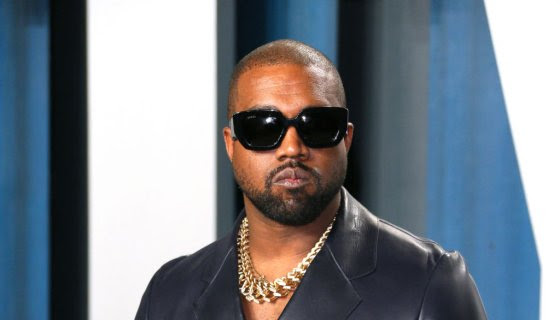
As Kanye West prepares for his visit to São Paulo, Brazil has issued a clear warning against bringing any Nazi symbolism or hate speech. This move underscores the country’s commitment to combating racism and intolerance, reflecting broader global tensions regarding far-right ideologies. But what does this mean for artists and public figures who often walk a fine line between expression and accountability? The conversation is just beginning, and the implications could be significant.
Background on Kanye West’s Upcoming Visit to São Paulo
As Kanye West prepares for his upcoming visit to São Paulo, many are curious about the implications of his trip. You might wonder what motivated him to choose Brazil for this particular visit.
Known for his controversial statements and actions, Kanye’s presence raises eyebrows. Fans and critics alike anticipate his interactions with local culture and the potential for both positive and negative reactions.
You can expect discussions around his influence in music and fashion, as well as the impact of his statements on social issues.
As his arrival approaches, Brazilian officials and citizens are preparing for the conversations that may arise, emphasizing the importance of respecting local values and history during his stay.
Brazil’s Historical Context of Racism and Intolerance
While Brazil is celebrated for its rich cultural diversity, it also grapples with a complicated history of racism and intolerance that continues to shape societal dynamics today.
The legacy of colonialism and slavery has left deep scars, fostering systemic inequalities that persist in various forms. You’ll notice that Afro-Brazilians often face discrimination in employment, education, and housing, revealing stark disparities in opportunity.
Additionally, indigenous communities have historically been marginalized, leading to cultural erasure and social exclusion. Despite progress in civil rights, many Brazilians still confront prejudice and xenophobia daily.
Understanding this context is crucial, especially when discussing figures like Kanye West, whose actions could inadvertently exacerbate existing tensions.
Respecting Brazil’s complex identity means acknowledging its struggles against racism and intolerance.
The Rise of Far-Right Ideologies Globally
With the rise of far-right ideologies globally, many societies are witnessing a troubling shift in political landscapes and social dynamics.
You may notice an increase in anti-immigrant sentiments, nationalism, and divisive rhetoric. Political leaders are capitalizing on economic anxieties and social unrest, often promoting exclusionary policies that target marginalized groups.
This trend can lead to a resurgence of hate speech and violence, as individuals feel empowered to express extremist views. In various countries, movements advocating for authoritarianism are gaining traction, replacing democratic ideals with populist narratives.
You might find it alarming how quickly these ideologies spread, fueled by social media and misinformation.
It’s crucial to remain vigilant against such shifts, as they can undermine the values of tolerance and equality.
The Significance of Nazi Symbolism in Today’s Society
The rise of far-right ideologies has revived discussions around Nazi symbolism and its implications in today’s society. You might notice that symbols once confined to history now resurface in public discourse, often provoking outrage and debate.
When you see these symbols, they serve as painful reminders of oppression, hate, and violence. Their presence can embolden extremist groups, creating an atmosphere of fear for marginalized communities.
It’s essential to understand how these symbols impact society’s collective memory and identity. By acknowledging their significance, you contribute to a broader conversation about tolerance and the dangers of ignoring history.
In this context, fostering awareness and promoting dialogue becomes crucial to prevent the normalization of hate in any form.
Brazil’s Legal Stance Against Hate Speech
Brazil’s legal framework takes a firm stance against hate speech, recognizing its potential to incite violence and discrimination.
The country has laws that specifically target acts of racism and intolerance, holding individuals accountable for spreading hate through words or symbols.
Under the Brazilian Penal Code, promoting hate or advocating violence based on race, ethnicity, or religion can lead to significant penalties.
This legal approach aims to foster an inclusive society where diversity is respected.
If you plan to engage in discussions or events in Brazil, it’s crucial to understand these laws.
They reflect the nation’s commitment to protecting its citizens and ensuring that expressions of hatred have no place in public discourse.
Public Reactions to the Warning Issued
How have people reacted to the warning issued to Kanye West? Reactions have been mixed, sparking heated debates online.
Many individuals support Brazil’s stance, praising the country for taking a firm position against hate symbols. They believe artists like Kanye should be held accountable for their actions and messages.
On the other hand, some fans argue that the warning stifles creative expression. They feel it’s an infringement on artistic freedom and worry about censorship.
Additionally, social media platforms are buzzing with memes and discussions, highlighting both sides of the argument.
Implications for Artists and Public Figures
Reactions to Brazil’s warning highlight a growing concern about the responsibilities of artists and public figures in today’s society.
As an artist or public figure, your influence can shape opinions and inspire actions, whether positive or negative. With that power comes the obligation to be mindful of the messages you convey.
When you use provocative imagery or language, you risk alienating audiences and perpetuating harmful ideologies. This incident underscores the need for self-awareness and accountability.
You should consider the cultural context of your work and the potential impact it may have on your fans and society at large.
Ultimately, embracing this responsibility can lead to meaningful conversations and foster a more inclusive environment.
Your choices matter, so think carefully.
The Importance of Promoting Unity and Respect
Promoting unity and respect is essential, especially in a world where divisive rhetoric can easily gain traction. You have the power to influence those around you by fostering an environment where everyone feels valued and included.
By embracing diversity and encouraging open dialogue, you create a space where different perspectives can coexist peacefully. This not only strengthens communities but also enriches your own understanding of the world.
When public figures like Kanye West spread messages that undermine these values, it’s crucial to speak out. You can challenge harmful ideals and advocate for positivity, reminding others that our differences should unite us, not divide us.
Together, let’s commit to building a culture rooted in respect and unity, making the world a better place for everyone.
Conclusion
As Kanye West prepares for his visit to São Paulo, it’s crucial to remember the responsibility that comes with fame. Brazil’s strong stance against hate speech underscores the need for respect and unity in diverse societies. Artists and public figures must navigate the fine line between expression and accountability. Embracing cultural sensitivity not only fosters understanding but also enriches the creative landscape. Let’s hope this serves as a reminder for Kanye and others to promote positivity and inclusivity.

Post comments (0)