Listeners:
Top listeners:
-
 play_arrow
Tropik Riddim Radio Reggae At It's Best 24/7
-
 play_arrow
Seductively Silky Radio The Best In Slow Jams 24/7
-
 play_arrow
Seductive Vibes Radio For All The Lovers. And The Lovers Of Music
music_note

Billboard Just Made ‘Free’ Streams Worth More on Its US Charts. Youtube Is Still Not Happy – and Is Pulling Its Data
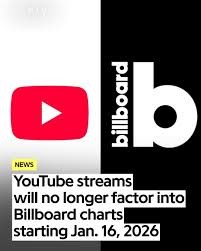
Billboard’s recent change to prioritize free streams on its US charts has raised eyebrows across the music industry. YouTube isn’t pleased and may pull its data, arguing that its platform deserves special consideration. This shift could reshape how artists gain visibility, especially those on ad-supported platforms. But what does this mean for the integrity of music charts and listener preferences? The implications are far-reaching, and the debate is just beginning.
Understanding Billboard’s New Chart Methodology
As Billboard unveils its revamped chart methodology, it’s essential to grasp how these changes impact music rankings.
The new system places greater emphasis on free streaming, meaning platforms that offer ad-supported content now contribute more significantly to chart positions. This shift recognizes the evolving listening habits of fans, who often prefer free access over paid subscriptions.
Additionally, Billboard’s adjusted approach factors in various streaming services, making it crucial for you to understand where your favorite tracks are gaining traction.
The increased weight of free streams could alter how you perceive song popularity, pushing you to explore artists in different ways. Staying informed about these changes helps you appreciate the dynamic nature of music consumption and its influence on rankings.
The Impact on Artists and Ad-Supported Platforms
Billboard’s updated chart methodology significantly impacts artists and ad-supported platforms. By giving more weight to free streams, artists who rely on ad-supported services can see a rise in their chart positions.
This shift allows emerging and independent musicians to gain visibility, as their music may reach wider audiences without requiring subscriptions.
However, it also raises concerns for artists who depend on paid streaming revenue, as they might see diminished chart representation.
Ad-supported platforms could benefit from increased user engagement, but they must navigate the potential backlash from major players worried about the balance between free and paid streams.
YouTube’s Response and Potential Withdrawal of Data
While many artists and industry insiders embrace Billboard’s new methodology, YouTube is reportedly considering a withdrawal of its data from the charts.
This potential move stems from YouTube’s concerns about the value placed on ad-supported streams compared to other platforms. YouTube believes that its unique streaming environment deserves recognition, especially given its vast user base and engagement levels.
If YouTube pulls its data, it could significantly impact chart rankings, leaving a gap that Billboard may struggle to fill.
For you, as a music fan or industry observer, this could change how you view streaming numbers and their influence on an artist’s success. YouTube’s decision might lead to broader discussions about the future of streaming metrics and chart integrity.
The Future of Streaming Metrics and Chart Integrity
The potential withdrawal of YouTube’s data from Billboard charts raises important questions about the future of streaming metrics and chart integrity.
As platforms like YouTube reconsider their roles, you might wonder how that’ll impact chart rankings. If Billboard adjusts its metrics, it could reshape how artists and labels strategize their releases.
Without YouTube’s contributions, you’ll see a shift towards valuing data from other streaming services, potentially skewing perceptions of success.
This change could lead you to question what it really means for a song to “chart.” If the criteria become less standardized, the very concept of chart integrity could be at stake, leaving you pondering the reliability of these rankings in the evolving music landscape.
Implications for Listeners and the Music Industry at Large
As the landscape of music charts shifts, listeners and the music industry face significant implications that could alter how they engage with and promote music.
For you, this means discovering new artists or songs might become more challenging as chart placements rely more on free streams, which can skew popularity perceptions. Record labels may push harder for more accessible streaming options, impacting the way music is marketed.
For the industry, Billboard’s changes might lead to a scramble for visibility as artists adapt their strategies.
You might see a rise in collaborations and promotional events designed to boost free streaming numbers. Ultimately, this new approach could redefine what success looks like in the music world, influencing both artist development and listener experiences.
Conclusion
Billboard’s decision to prioritize free streams reflects a significant shift in the music industry, aiming to better represent listener preferences. While this move could benefit emerging artists, it raises valid concerns from YouTube about chart integrity and the uniqueness of its platform. As the debate continues, the future of streaming metrics remains uncertain. It’s crucial for all stakeholders—artists, platforms, and listeners—to adapt and ensure the charts accurately reflect the diverse landscape of music consumption today.


Post comments (0)