Listeners:
Top listeners:
-
 play_arrow
Tropik Riddim Radio Reggae At It's Best 24/7
-
 play_arrow
Seductively Silky Radio The Best In Slow Jams 24/7
-
 play_arrow
Seductive Vibes Radio For All The Lovers. And The Lovers Of Music
music_note
Meek Mill Calls Out Double Standard After Seeing Jake Paul Flex Guns Online
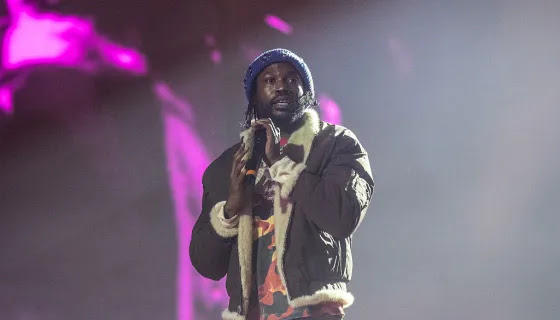
You might have noticed Meek Mill’s recent outburst on Twitter regarding Jake Paul’s latest video, where Paul openly flaunts firearms. It raises a crucial question: why do certain artists face harsh scrutiny for similar actions while others seem to get a free pass? This double standard’s implications stretch far beyond their individual cases. As you consider the dynamics at play, it’s worth exploring how this disparity reflects broader issues in the entertainment industry.
The Incident: Meek Mill’s Twitter Outrage
When Meek Mill took to Twitter, his outrage was palpable as he highlighted what he saw as a glaring double standard in the music industry.
You could feel his frustration as he pointed out how artists like him get scrutinized for their lyrics and imagery, while others seem to escape the same criticism. He called out the hypocrisy, emphasizing that the rules shouldn’t apply differently based on fame or background.
You might’ve noticed how he urged fans to recognize this inequality, sparking a conversation that resonated with many. His tweets encouraged you to reflect on how society often treats different artists, pushing for a more balanced approach in evaluating their actions.
Meek’s words struck a chord, igniting discussions in the hip-hop community and beyond.
Jake Paul’s Controversial Video
While many influencers strive to maintain a positive image, Jake Paul’s latest video has sparked widespread controversy and debate.
In the clip, you see him flaunting firearms, which raises eyebrows among fans and critics alike. Many wonder why such behavior is deemed acceptable for some, while others face backlash for similar actions.
You can’t help but notice the double standards in how society reacts to influencers like Paul compared to those in the hip-hop community. His casual display of weapons may seem like just another stunt, but it raises serious questions about responsibility and influence.
As you watch the video, you might find yourself questioning the message it sends to younger audiences, who often look up to figures like Paul for guidance.
Historical Context: Hip-Hop and Gun Imagery
The conversation around gun imagery in hip-hop has deep roots, often reflecting the realities of artists’ lives and the environments they navigate.
From the genre’s beginnings, rappers used lyrics and visuals to depict struggles with violence, crime, and survival. You see, guns symbolize power and protection in many communities, allowing artists to express their experiences and challenges.
Over the years, this imagery has evolved, becoming a staple in music videos and album covers. However, it also sparks debate about glorification versus realism.
For artists like you, it’s a balancing act—showcasing authenticity while navigating societal perceptions. The portrayal of guns in hip-hop serves as a mirror, revealing deeper issues within society, making it essential to understand this context.
Double Standards in the Entertainment Industry
Although many artists express similar themes in their work, double standards often arise within the entertainment industry, particularly regarding how different individuals or groups are treated.
For instance, when certain celebrities flaunt controversial imagery or behavior, they might receive praise or indifference, while others face harsh criticism or consequences. This inconsistency can create confusion and frustration among fans and artists alike.
You might notice that Black artists often bear the brunt of scrutiny for their choices, while their white counterparts get a pass. This disparity not only highlights the biases present but also affects how messages are perceived.
Recognizing these double standards is crucial for fostering a more equitable environment in entertainment, where all voices are valued equally.
Meek Mill’s Advocacy Against Injustice
Meek Mill champions social justice and uses his platform to advocate for those affected by systemic injustices. You see him speaking out against issues like mass incarceration and police brutality, drawing attention to the struggles faced by marginalized communities.
Through his music and public appearances, he raises awareness and inspires change. You can feel his passion for justice as he shares personal experiences that resonate with many. He believes in the power of education and empowerment, pushing for reform in the criminal justice system.
The Role of Social Media in Accountability
As social media continues to evolve, it plays an increasingly vital role in holding individuals and institutions accountable for their actions.
You see, platforms like Twitter and Instagram allow you to voice your opinions and share information instantly. When public figures, like celebrities or politicians, engage in questionable behavior, their actions often get scrutinized online.
You can call out double standards immediately, sparking conversations that demand change. This visibility can pressure those in power to address issues or face backlash.
Additionally, social media can amplify marginalized voices, ensuring that their experiences are heard. By using these platforms effectively, you contribute to a culture of accountability, pushing for justice and fairness in a world that often overlooks it.
Public Reaction to Meek Mill’s Statement
Public figures often face intense scrutiny, and Meek Mill’s recent statement about double standards is no exception.
You might’ve noticed a wave of reactions across social media platforms. Many fans rallied behind Meek, applauding him for addressing the disparity in how different celebrities are treated. Supporters argue that his voice highlights an important issue in the entertainment industry.
However, not everyone agrees; some critics say he’s just trying to draw attention to himself. You’ll find mixed feelings in the comments, with some users calling for more accountability from influencers, while others dismiss his claims as hypocritical.
Broader Implications for Influencers and Artists
While Meek Mill’s call-out resonates within the celebrity sphere, it also raises broader implications for influencers and artists alike.
You’re navigating a landscape where your actions can spark significant conversations about accountability and responsibility. When you flaunt weapons or engage in controversial behavior, you set a precedent that others might follow, regardless of the consequences.
This double standard highlights a crucial truth: not all influencers face equal scrutiny. If you’re in the spotlight, your choices impact your audience.
You’ve got a unique platform to inspire or mislead, and the responsibility that comes with it’s immense. As an artist or influencer, you must consider how your actions reflect on your personal brand and the message you send to your followers.
The Future of Accountability in the Digital Era
With the rapid evolution of digital platforms, accountability for influencers and artists is becoming more critical than ever. You’ve likely noticed how content can spread like wildfire, impacting public perception and behavior.
As a consumer, you expect transparency and responsibility from those who wield influence. The challenge lies in holding these figures accountable for their actions online, especially regarding controversial topics like violence or substance use.
Platforms are beginning to implement stricter guidelines, but it’s up to you to demand more. By supporting artists who prioritize positive messaging and calling out harmful behavior, you foster a culture of accountability.
The future hinges on your engagement, ensuring that creativity aligns with responsibility in the ever-growing digital landscape.
Conclusion
In conclusion, Meek Mill’s call for accountability highlights the glaring double standards in the entertainment industry. As he challenges the hypocrisy surrounding gun imagery, it’s crucial for fans and artists alike to recognize these disparities. Social media plays a pivotal role in amplifying voices and sparking discussions on justice and fairness. Moving forward, we must hold all influencers and artists to the same standards, ensuring that accountability becomes a universal expectation in the digital age.
Post comments (0)