Listeners:
Top listeners:
-
 play_arrow
Tropik Riddim Radio Reggae At It's Best 24/7
-
 play_arrow
Seductively Silky Radio The Best In Slow Jams 24/7
-
 play_arrow
Seductive Vibes Radio For All The Lovers. And The Lovers Of Music
music_note

Bob Vylan Won’t Face Charges for “Death to the IDF” Chant
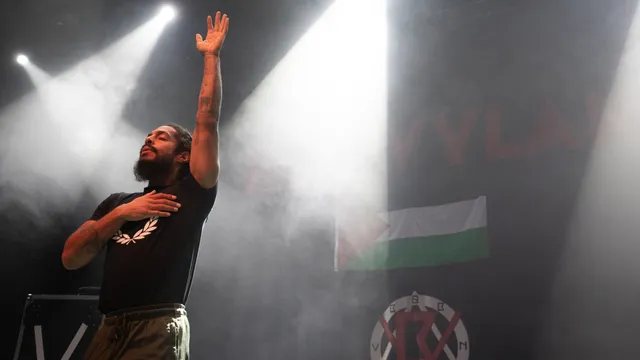
You’ve likely heard about Bob Vylan’s recent chant, “Death to the IDF,” and the ensuing controversy. Authorities decided not to charge him, citing free speech and artistic expression. This decision raises important questions about the balance between provocative art and societal responsibility. What does this mean for the future of artistic expression in music? Let’s explore the implications of this case further.
Understanding the Context of Bob Vylan’s Chant
When Bob Vylan chanted “Death to the IDF,” it sparked intense debate about free speech and artistic expression. You might wonder why this phrase resonated so deeply within the music and activist communities. Vylan’s words reflect a growing frustration with geopolitical conflicts and the power dynamics at play.
For many, his chant represents solidarity with marginalized voices, while others view it as incitement to violence. The context of his performance—at a festival known for challenging the status quo—adds layers to the conversation.
You can see how art often serves as a mirror for societal issues, pushing boundaries and provoking thought. Ultimately, Vylan’s chant illustrates the complexities of using art to address controversial topics in today’s world.
Why Authorities Decided Not to Pursue Charges Against Bob Vylan
While some might expect legal repercussions for inflammatory statements, authorities ultimately decided not to pursue charges against Bob Vylan due to the complexities surrounding free speech.
They recognized that his chant, while provocative, could fall under the umbrella of artistic expression. Context played a significant role; Vylan’s performance occurred in a creative setting, which typically allows for more leeway in speech.
Furthermore, pursuing charges might raise concerns about censorship and the potential chilling effect on artists. Authorities weighed public sentiment and the importance of maintaining an open dialogue on controversial issues.
Ultimately, they opted to prioritize a nuanced understanding of free speech over punitive measures, reflecting a commitment to artistic freedom and expression in a diverse society.
Free Speech vs. Artistic Expression: The Bob Vylan Controversy
As the controversy surrounding Bob Vylan’s “Death to the IDF” chant unfolds, it raises important questions about the boundaries of free speech and artistic expression.
You might wonder where the line is drawn between expressing strong political views and inciting violence. Vylan’s chant, while provocative, serves as a form of artistic expression, reflecting his beliefs and the socio-political climate.
It challenges you to consider how society should respond to provocative art. On one hand, free speech allows artists to voice dissent; on the other, the potential for harm complicates this freedom.
Ultimately, this situation invites you to reflect on the responsibilities that come with artistic expression and the implications of censorship in a diverse society.
How Fans and the Music Community Reacted to the Chant
Fans and the music community have responded with a mix of support and outrage to Bob Vylan’s “Death to the IDF” chant. Many supporters see his words as a bold stance against oppression, praising him for using his platform to address important issues. They argue that art should challenge norms and provoke thought.
On the other hand, critics express concern over the chant’s violent implications, questioning whether such messages are appropriate in music. Some fans have taken to social media to share their conflicting feelings, creating heated discussions about free expression versus accountability.
Ultimately, this chant has sparked a larger conversation within the music community about the role of artists in political discourse and the boundaries of creative expression.
Future Implications for Bob Vylan’s Performances and Political Statements
Given the recent controversy surrounding his “Death to the IDF” chant, Bob Vylan’s future performances and political statements may face increased scrutiny.
You might notice that venues and promoters could become more cautious, worried about potential backlash or legal implications. Fans will likely keep a close eye on his lyrics and public comments, seeking clarity on his political views.
This heightened attention might push Bob to refine his messaging, balancing artistic expression with social responsibility. He could embrace this challenge, using it to spark meaningful discussions about his beliefs.
Ultimately, how he navigates this landscape will shape not just his career but also the broader dialogue about music and politics in today’s climate.
Conclusion
In light of the authorities’ decision, Bob Vylan’s chant highlights the ongoing tension between free speech and artistic expression. While some may find his words provocative, they also spark essential conversations about creativity and responsibility. As you consider his future performances, remember that art often pushes boundaries, challenging societal norms. Bob Vylan’s case may inspire other artists to explore bold themes, knowing there’s room for dialogue, even when opinions clash.


Post comments (0)