Listeners:
Top listeners:
-
 play_arrow
All Vibin’ Disco Where the Groove Never Stops
-
 play_arrow
Tropik Riddim Radio Reggae At It's Best 24/7
-
 play_arrow
Seductively Silky Radio The Best In Slow Jams 24/7
-
 play_arrow
Seductive Vibes Radio For All The Lovers. And The Lovers Of Music
music_note
An AI Artist Signed A Multimillion Dollar Record Deal. What Does That Mean?
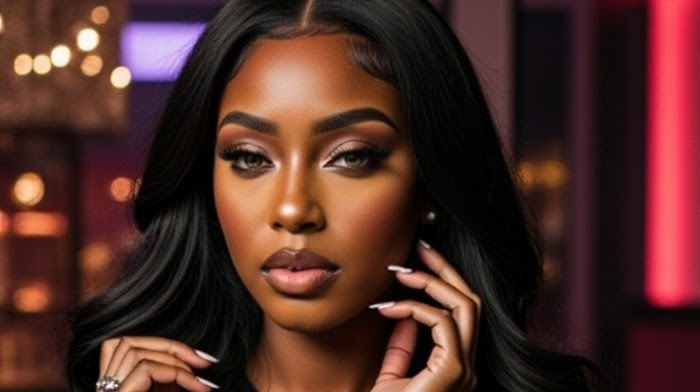
You might be surprised to learn that an AI artist just landed a multimillion-dollar record deal. This event marks a significant shift in the music industry, challenging how we view creativity and authorship. As AI-generated music becomes more mainstream, it raises important questions for traditional musicians. How will they adapt to this new landscape? The implications are complex, and there’s much more to explore about what this means for the future of music.
The Rise of AI in the Creative Industry
As creative industries evolve, you might notice AI becoming an increasingly influential partner in artistic expression.
It’s not just about automation; AI’s ability to analyze vast data sets allows it to generate unique content, blending genres and styles in ways you mightn’t have imagined.
Musicians are using AI to compose melodies, while visual artists employ algorithms to create stunning visuals.
This technology isn’t just a tool; it’s a collaborator that pushes the boundaries of creativity.
The rise of AI also challenges traditional notions of authorship and originality, prompting discussions about what it means to be an artist.
You’ll see more creators embracing this partnership, leading to innovative works that reflect the exciting intersection of technology and art.
Understanding the AI Artist Phenomenon
AI’s growing role in creative industries has given rise to a new phenomenon: the AI artist. These digital creators use algorithms to generate music, art, and even literature, pushing the boundaries of traditional creativity.
You might wonder how these AI artists work. They analyze vast amounts of data, learning patterns and styles from existing works, and then produce original pieces that reflect their findings. This not only challenges conventional definitions of artistry but also opens up discussions about creativity’s nature.
With AI artists gaining recognition, you’re likely to encounter their work more frequently, making it essential to understand their impact on the creative landscape. As they become more mainstream, you’ll see how they reshape the future of artistic expression.
The Implications for Traditional Musicians
While the rise of AI artists might seem like a fascinating development, it also raises significant concerns for traditional musicians. You might worry about your place in an industry increasingly dominated by algorithms.
As AI creates music faster and often at a lower cost, it could diminish opportunities for you and your peers. The pressure to compete with AI-generated content might force you to alter your artistic approach or adopt new technologies, potentially compromising your creative integrity.
Moreover, the emphasis on commercial viability over artistic expression could reshape industry standards, impacting what music gets produced.
It’s crucial to adapt and find ways to incorporate technology while maintaining your unique voice, ensuring you remain relevant in this evolving landscape.
Ownership and Copyright in AI-Generated Art
When it comes to AI-generated art, the questions of ownership and copyright become increasingly complex. You might wonder who holds the rights to a piece created by an AI. Is it the programmer, the user who prompts the AI, or the AI itself?
Current laws often struggle to keep pace with technology, leaving gaps in protection for creators. If you create something using AI, you may find it challenging to assert your rights. While you can claim authorship, the legal landscape remains murky.
As AI continues to evolve, so must our understanding of copyright. You’ll need to stay informed about legal developments to navigate this shifting terrain and ensure your interests are safeguarded in the world of AI-generated art.
Consumer Reactions to AI-Created Music
How do you feel about music created by artificial intelligence? Your reaction might depend on how you view creativity. Some people embrace AI-generated music, appreciating its innovation and the fresh sounds it brings.
You might find it intriguing that machines can learn patterns and produce tracks that resonate with listeners.
On the other hand, you could feel skeptical or even threatened, worried that AI music lacks the emotional depth of human-created art.
There’s also a concern about authenticity—can music really connect with you if it’s made by an algorithm?
As AI artists gain traction, your feelings will likely evolve, reflecting broader societal debates about art, technology, and the human experience.
Your perspective matters in shaping the future of music.
The Future of Collaboration Between Humans and AI
As the lines between human creativity and artificial intelligence blur, the future of collaboration between these two forces presents exciting possibilities.
You might find yourself working alongside AI to enhance your artistic process, merging unique human emotion with the precision of algorithms.
Imagine co-creating music, where AI generates melodies and you infuse them with your personal touch. This partnership could lead to innovative genres and styles that challenge traditional boundaries.
By leveraging AI’s capabilities, you can focus on the storytelling and emotional depth that resonate with audiences.
The potential for collaboration is vast, creating an environment where both human and AI contributions are valued, leading to groundbreaking art that reflects a harmonious blend of technology and creativity.
Redefining Creativity in the Digital Age
In a world where technology continually reshapes our experiences, creativity is undergoing a profound transformation. You’re witnessing a shift where artists blend human intuition with AI’s analytical power. This fusion sparks innovative ideas, pushing the boundaries of what art can be.
Instead of viewing AI as a competitor, you might see it as a collaborator, amplifying your creative potential. With AI-generated music, visuals, and literature, creativity becomes more accessible, allowing anyone to express themselves. This democratization invites diverse voices and perspectives, enriching the cultural landscape.
As you explore this new frontier, you’ll find that creativity isn’t just about the individual anymore; it’s a collective journey, melding human emotion with machine precision to redefine art in the digital age.
Potential Challenges and Ethical Considerations
While the collaboration between human creativity and AI opens up exciting possibilities, it also raises important challenges and ethical questions.
You might wonder who truly owns the music created by AI. Is it the programmers, the artists, or the AI itself? This ambiguity can lead to disputes over copyright and intellectual property rights.
Additionally, there’s the concern of authenticity; can an AI-generated song evoke genuine emotions like a human artist’s work?
You’ll also need to consider the impact on employment within the music industry. With AI taking center stage, what happens to traditional artists?
Balancing innovation with these ethical dilemmas is crucial. As you navigate this new landscape, it’s essential to engage in discussions about responsibility and fairness in the creative process.
Conclusion
As AI artists secure multimillion-dollar deals, the music industry is at a crossroads. You’re witnessing a shift that challenges your understanding of creativity and authorship. While innovation can inspire you, it also raises questions about your place in this evolving landscape. Embracing collaboration with AI might be the key to thriving in this new era. As you navigate these changes, consider how you can redefine your artistry and adapt to the future of music.