Listeners:
Top listeners:
-
 play_arrow
All Vibin’ Disco Where the Groove Never Stops
-
 play_arrow
Tropik Riddim Radio Reggae At It's Best 24/7
-
 play_arrow
Seductively Silky Radio The Best In Slow Jams 24/7
-
 play_arrow
Seductive Vibes Radio For All The Lovers. And The Lovers Of Music
music_note

MTV to Axe UK Music Channels After Almost 30 Years
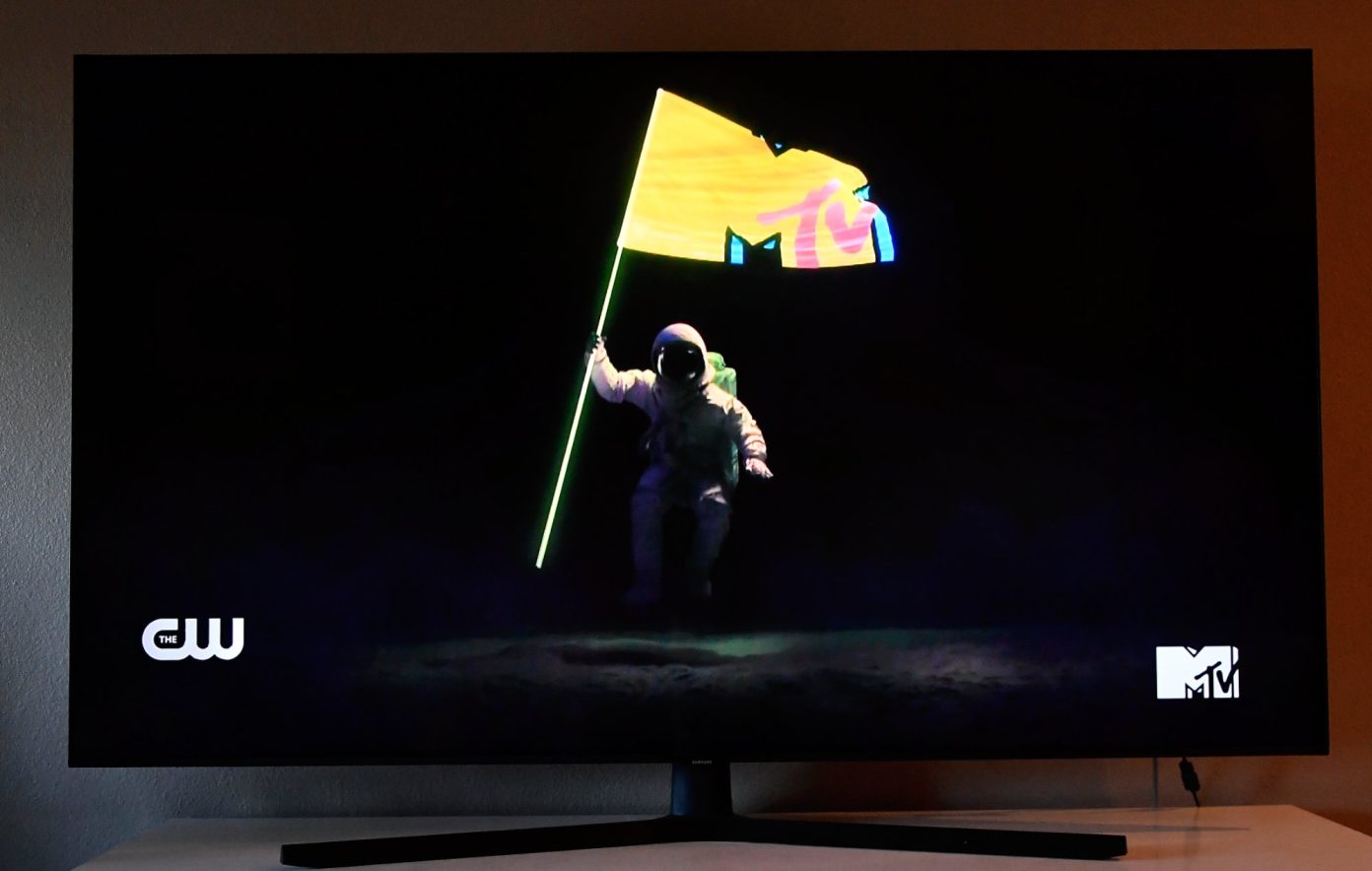
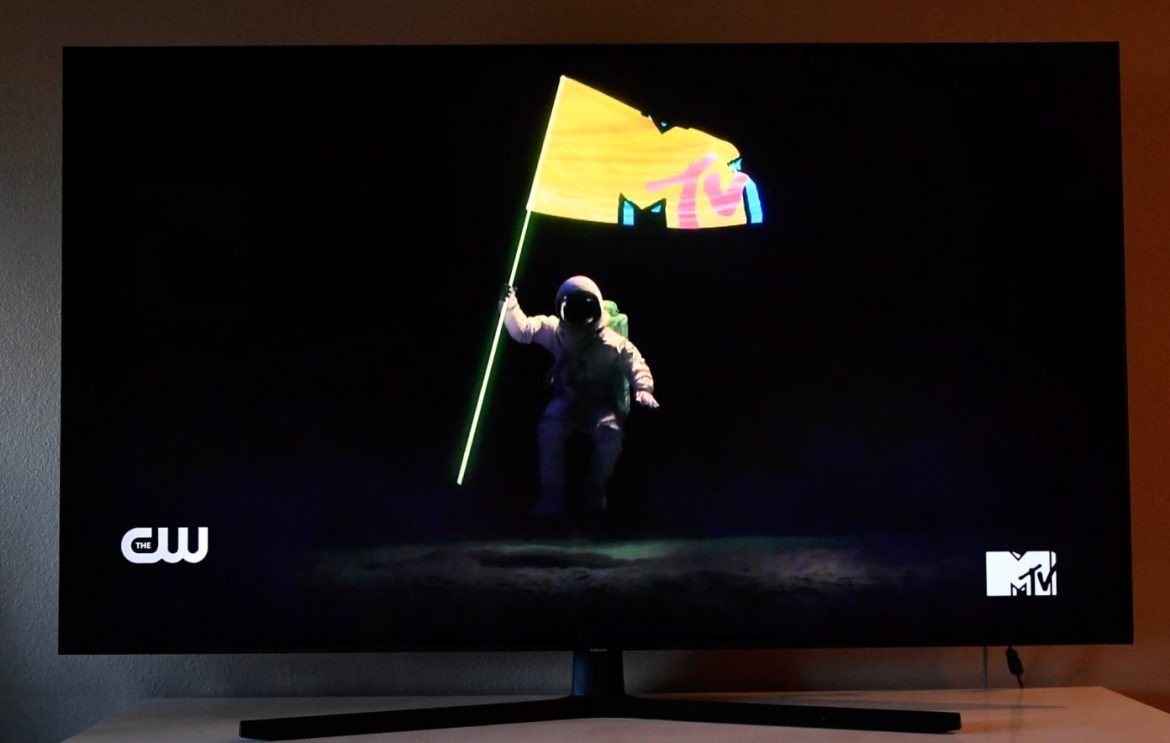
You might’ve heard that MTV is shutting down its UK music channels after nearly 30 years. This decision has sparked disappointment among fans and industry insiders alike. Once a go-to platform for discovering fresh talent, MTV played a vital role in the music landscape. But what does this mean for the future of music on television? The shift to streaming and changing viewer habits raises important questions that deserve exploration.
The Rise of MTV in the UK Music Scene
As MTV burst onto the scene in the UK during the early 1980s, it transformed how you experienced music. Suddenly, you weren’t just listening to your favorite songs; you were watching them come to life with vibrant visuals.
The channel introduced a new way to engage with artists and their creativity, blending music with fashion, culture, and storytelling. You found yourself glued to the screen, eager for the latest music videos and unforgettable performances.
The energy was contagious, and it felt like you were part of a cultural revolution. MTV became your go-to source for discovering new trends and iconic acts, shaping your musical preferences and experiences.
It wasn’t just a channel; it was a phenomenon that redefined your relationship with music.
Impact on Emerging Artists and Established Stars
While MTV’s rise in the UK music scene revolutionized how you experienced music, it also had a profound impact on both emerging artists and established stars.
For newcomers, MTV provided a vital platform to showcase their talent, often catapulting them into the mainstream. You’d discover fresh sounds and vibrant visuals, which set the stage for many artists to thrive.
On the flip side, established stars benefited from MTV’s extensive reach, allowing them to maintain relevance in a rapidly changing industry.
However, the channel’s eventual decline means fewer opportunities for both groups. Emerging artists now face challenges in gaining visibility, while established stars might struggle to adapt to a landscape where traditional media is no longer the primary way to connect with fans.
The Shift to Streaming Platforms
With the decline of traditional music channels like MTV, artists are increasingly turning to streaming platforms to reach their audiences.
You’ll notice that platforms like Spotify and Apple Music allow musicians to share their work directly, bypassing the need for traditional media. This shift empowers you as a listener to discover new music at your convenience, creating a personalized experience.
Artists can also track their engagement, adjusting their strategies based on real-time analytics. Moreover, streaming services often offer curated playlists, which help expose you to a wider variety of sounds.
As a result, both new and established artists can build their fanbases more effectively, adapting to the rapidly changing landscape of music consumption in the digital age.
Changes in Viewer Habits
Even though music channels like MTV once shaped popular culture, viewer habits have drastically changed as audiences now gravitate toward on-demand content.
You likely prefer streaming services where you can choose what to watch and when. This shift means you don’t need to schedule your life around a music video premiere or wait for your favorite songs to air.
Instead, you curate your playlists and discover new artists at your convenience. Social media platforms have also become key players, allowing you to engage with music directly through live streams, clips, and user-generated content.
As a result, traditional music channels struggle to keep up, reflecting a broader trend where instant access and personalization reign supreme in your viewing experience.
Reactions From Fans and Industry Professionals
The decision to axe MTV’s UK music channels has ignited a wave of reactions from both fans and industry professionals. Many fans express their disappointment, reminiscing about the channels’ role in shaping music culture over the years.
You might find social media flooded with nostalgic posts, as people share their favorite memories of iconic performances and music videos.
Industry professionals aren’t holding back either; several artists and producers voice concerns about the impact on emerging talent and the broader music landscape. Some worry that this move signals a decline in dedicated spaces for music discovery.
As the dust settles, it’s clear that the decision has stirred emotions, leaving fans and creators questioning the future of music representation on television.
The Future of Music Television in a Digital Era
As traditional music channels fade, the landscape of music television is evolving rapidly in the digital era.
You’re witnessing a shift where streaming platforms and social media dominate, offering personalized content that traditional channels can’t match. You can easily discover new artists through algorithms tailored to your tastes, making music exploration more accessible than ever.
Live-streamed concerts and interactive shows are gaining popularity, allowing you to engage with artists in real-time. Additionally, platforms like YouTube and TikTok are giving rise to music trends and viral sensations, reshaping how you experience music.
While the classic music video format may diminish, the essence of music television endures, adapting to your preferences and the digital landscape’s demands. Embrace this exciting transformation!
Conclusion
As MTV bids farewell to its UK music channels, you can’t help but feel the weight of its legacy. The platform once thrived on discovering talent and shaping the music landscape, but now it’s a stark reminder of how quickly things can change. With the rise of streaming and shifting viewer habits, the future of music television feels uncertain. You’ve got to wonder what this means for artists and fans alike in a world that’s increasingly digital.