Listeners:
Top listeners:
-
 play_arrow
All Vibin’ Disco Where the Groove Never Stops
-
 play_arrow
Tropik Riddim Radio Reggae At It's Best 24/7
-
 play_arrow
Seductively Silky Radio The Best In Slow Jams 24/7
-
 play_arrow
Seductive Vibes Radio For All The Lovers. And The Lovers Of Music
music_note

The Bee Gees and the Disco Revolution:
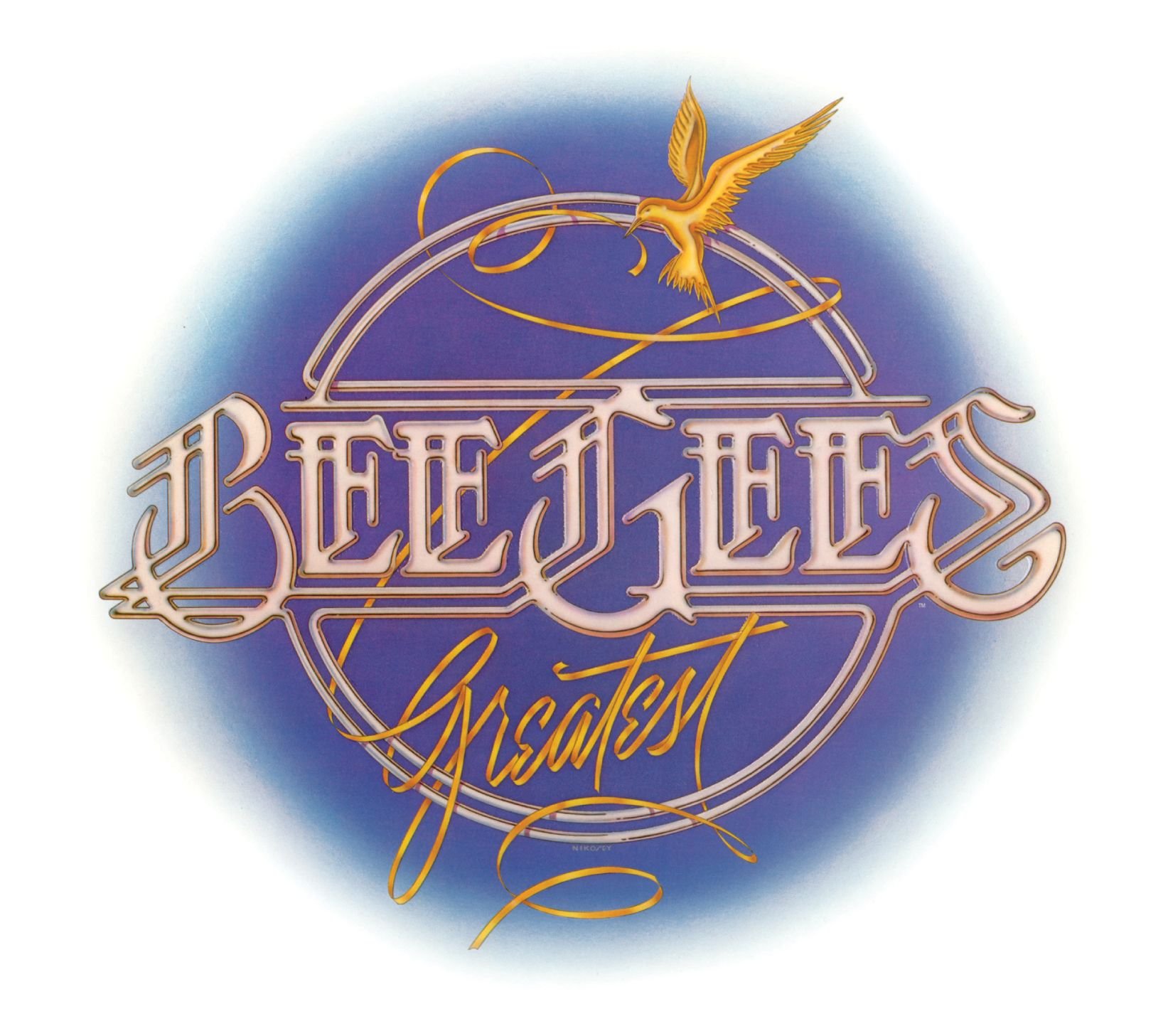
The Bee Gees
How Three Brothers Rewired R&B, Redefined Groove, and Made the World Dance
When you hear that opening riff from “Stayin’ Alive” — the bassline, the handclaps, the unmistakable pulse — you instantly know what time it is. It’s disco time.
But beyond the platform shoes and mirror balls, The Bee Gees did something few artists in history have achieved: they bridged the Atlantic, crossed genres, and reshaped the sound of Black-inspired American rhythm and soul for a global audience.
🌍 Setting the Stage: The Sound Before the Fever
Before Saturday Night Fever and the glittering lights of Studio 54, the Bee Gees were known for their lush ballads and poetic pop harmonies. Tracks like “To Love Somebody” and “Words” placed them among the best vocal groups of the late ’60s and early ’70s.
But as soul and funk evolved — through the artistry of Stevie Wonder, Curtis Mayfield, Isaac Hayes, and Earth, Wind & Fire — the Gibb brothers listened and learned.
By 1975, they were living in Miami and working with producer Arif Mardin, a key figure in shaping the Atlantic Records sound. Mardin, who had worked with Aretha Franklin and Donny Hathaway, encouraged them to embrace groove — to let rhythm lead the way.
The result was “Jive Talkin’.”
A slick, funky jam with a rhythmic drive inspired by the sound of their car crossing a Miami bridge — literally. It marked the beginning of a new Bee Gees era: one powered by R&B, funk, and dance-floor rhythm.
🪩 The Saturday Night Fever Explosion
By 1977, The Bee Gees were no longer just adapting to the times — they were defining them. Their contributions to the soundtrack of Saturday Night Fever turned a movie about a Brooklyn dancer into a global cultural event.
The album sold over 40 million copies worldwide, making it one of the best-selling soundtracks in history.
Songs like “Stayin’ Alive,” “Night Fever,” “More Than a Woman,” and “How Deep Is Your Love” didn’t just dominate the charts — they changed the language of pop and R&B production.
The brothers’ falsetto harmonies, layered over slick basslines and syncopated rhythms, gave disco a new sophistication. Their melodies were clean, their lyrics relatable, and their grooves irresistible.
Barry Gibb’s soaring falsetto became a vocal signature that would influence generations — from Prince to Bruno Mars.
🎶 The R&B Connection: Soul in a White Suit
What made The Bee Gees’ sound so revolutionary wasn’t just the rhythm — it was their understanding of soul.
They didn’t imitate Black American artists; they studied them, respected them, and found their own lane within the groove. Their love for the emotional storytelling of Motown, the musicianship of Philly Soul, and the passion of gospel music shaped their songwriting at a cellular level.
When “You Should Be Dancing” hit the airwaves in 1976, it was raw, funky, and soulful enough to chart on both pop and R&B radio. The Bee Gees became one of the few non-Black acts embraced by R&B audiences during disco’s golden age — a testament to the authenticity of their sound.
🎤 Influence and Innovation
The Bee Gees introduced several innovations that changed how pop and R&B were produced and sung:
-
Falsetto Lead Vocals: Barry’s shimmering high notes inspired artists like Prince, The Weeknd, and Justin Timberlake.
-
Four-on-the-Floor Rhythm: Their steady, danceable beats became the backbone of modern house and dance-pop music.
-
Gender-Neutral Lyrics: Their choice to write songs without gendered pronouns — like “How Deep Is Your Love” — made their music universally relatable.
-
Layered Vocal Arrangements: They perfected vocal stacking, creating harmonies as rich as a choir but as intimate as a whisper.
Their blend of soul, rhythm, and melodic pop opened doors for a new era of crossover — proving that good music, rooted in feeling, knows no boundaries.
🕺🏽 Black Artists on the Bee Gees Legacy
Interestingly, The Bee Gees’ influence didn’t just stay on the pop side. Artists like George Benson, Chaka Khan, and Diana Ross later recorded Gibb-written songs — each hit carrying the same emotional warmth and rhythmic glow.
Their songwriting touched both sides of the R&B spectrum — from quiet storm ballads (“Emotion,” “Heartbreaker”) to dance anthems (“Chain Reaction”).
Even Black American radio programmers of the 1970s recognized their deep R&B understanding. The Bee Gees were often featured back-to-back with acts like The Spinners or The Commodores on playlists that valued groove over genre.
🏆 From Disco Kings to Timeless Songwriters
After the disco backlash of the early ’80s, many assumed The Bee Gees’ reign was over. Instead, they quietly shifted gears — writing and producing hits for other artists.
They penned “Islands in the Stream” for Kenny Rogers and Dolly Parton, “Woman in Love” for Barbra Streisand, and “Chain Reaction” for Diana Ross — each one a masterclass in emotional melody and polished R&B composition.
That adaptability — that ability to shape-shift while keeping soul at the core — is what separates them from their peers.
🌟 The Bee Gees’ Place in R&B and Disco History
The Bee Gees didn’t invent disco, but they refined it. They didn’t come from the streets of Philly or Detroit, but they honored the spirit of those cities’ sounds.
Their music brought soul to the global stage — introducing millions of listeners worldwide to the rhythmic brilliance and emotional intensity of Black-inspired R&B.
Even decades later, their fingerprints are everywhere:
-
In Daft Punk’s retro grooves
-
In Bruno Mars’s funk revival
-
In the soulful disco resurgence led by artists like Dua Lipa, Jamiroquai, and Kylie Minogue
Their harmonies, production choices, and rhythmic sensibilities remain templates for how to make music that moves both heart and body.
🎧 Final Reflection
The Bee Gees were more than just a group — they were an era unto themselves. They took the language of R&B, the energy of disco, and the sensitivity of pop, and fused them into something universal.
Their music celebrated emotion, connection, and rhythm — and in doing so, they blurred the lines between race, geography, and genre.
So the next time “Night Fever” spins through your speakers, remember: beneath the glitter, beneath the falsetto, was a sound born of love — love for melody, for soul, and for the magic that happens when music brings people together.
🎶 “We were always conscious that melody is the most important thing. Everyone has seven notes — it’s how you use them that makes the difference.” — Robin Gibb
And that’s exactly what The Bee Gees did. They used them — beautifully, boldly, and forever.