music_note

Rapper RBX Files Lawsuit Against Spotify, Alleging Faked Drake Streams
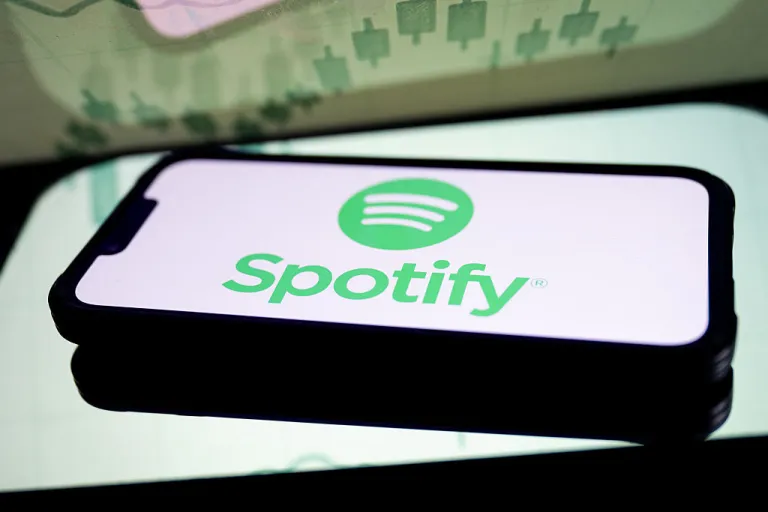
Rapper RBX has taken a bold step by suing Spotify, claiming the platform mishandled his music rights and falsely inflated streams for artists like Drake. This lawsuit could shake the foundation of how streaming services operate and raise questions about transparency in the industry. What does this mean for the credibility of streaming numbers and the treatment of artists? The implications are significant and warrant a closer look.
Background of the Lawsuit
RBX, the renowned rapper known for his impactful lyrics, has filed a lawsuit against Spotify, claiming that the streaming giant has mismanaged his music rights. His action stems from years of frustration over the handling of his catalog.
You mightn’t realize how essential music rights are for artists, as they directly impact their income and creative control. RBX argues that Spotify hasn’t properly compensated him or acknowledged his contributions.
This lawsuit isn’t just about money; it’s about setting a precedent for how streaming services manage artists’ rights. By taking this stand, RBX aims to ensure that other artists don’t face similar issues in the future. He believes every artist deserves fair treatment in the digital age.
Allegations Against Spotify
While RBX seeks justice, he’s brought forth serious allegations against Spotify regarding the mismanagement of his music rights. He claims the platform failed to properly compensate him for streams of his work, which he argues violates the terms of their agreement.
RBX also accuses Spotify of artificially inflating streaming numbers for other artists, particularly pointing fingers at Drake. He believes these inflated numbers mislead listeners and manipulate charts, undermining genuine artists’ efforts.
This situation raises questions about transparency and fairness in the music industry, as artists like you may feel cheated by practices that seem to prioritize profit over integrity.
RBX’s allegations challenge Spotify’s accountability and could lead to broader implications for how streaming services operate moving forward.
The Impact on Drake’s Reputation
Spotify’s alleged mismanagement of streaming numbers has significant implications for artists like Drake, who finds himself at the center of RBX’s accusations.
You can’t ignore how this controversy might tarnish Drake’s image within the industry. As a leading figure in hip-hop, your reputation hinges on authenticity and transparency.
If the claims hold any weight, fans and critics may question the legitimacy of his success. This scrutiny could lead to a decline in trust among listeners, affecting album sales and future collaborations.
The music community values integrity, and any hint of dishonesty could alienate loyal supporters. In a digital age where streaming metrics influence perceptions, the fallout from this lawsuit could reshape how you and others view Drake’s career trajectory.
RBX’s Career and Motivation
Having carved out a unique niche in the hip-hop landscape, RBX’s career reflects a blend of creativity and resilience.
You see, he’s known for his intricate lyricism and unique storytelling, which set him apart from his contemporaries. His collaborations with major artists showcase his versatility, but it’s his passion for authenticity that truly drives him.
RBX’s motivations stem from a desire to uplift the genre and challenge industry norms. He’s not just an artist; he’s a voice for those marginalized within the music community.
By pursuing this lawsuit against Spotify, you sense he’s striving for justice and transparency, pushing back against practices that undermine the integrity of hip-hop.
RBX’s journey exemplifies an unwavering commitment to his craft and values.
Industry Reactions to the Lawsuit
The music industry is buzzing with reactions to RBX’s lawsuit against Spotify. Many artists and industry insiders are weighing in, expressing a mix of support and skepticism.
Some fellow musicians applaud RBX for challenging the status quo, emphasizing that transparency is crucial for fair compensation. Others, however, worry about the potential fallout for the streaming platform and the broader impact on artist revenue.
As discussions unfold on social media, fans are chiming in, too, with heated debates about the authenticity of streaming numbers. Executives at major labels are reportedly monitoring the situation closely, knowing that the outcome could reshape the streaming landscape.
In this heated environment, RBX’s bold move has sparked conversations about integrity in music streaming.
The Role of Streaming Platforms
Streaming platforms have fundamentally changed how music is consumed and monetized, creating both opportunities and challenges for artists. You can access a vast library of music at your fingertips, allowing you to discover new artists and genres easily.
For musicians, platforms like Spotify and Apple Music provide a direct way to reach global audiences without the need for traditional distribution channels. However, you also face the pressure of standing out in a crowded marketplace. Algorithm-driven playlists can boost your visibility, but they can also limit your exposure if you don’t fit the mold.
Transparency in how streams are counted and monetized is crucial. As these platforms evolve, your ability to adapt and leverage their features will be key to your success in the industry.
Implications for Artist Earnings
While artists have unprecedented access to audiences through platforms like Spotify, the implications for earnings can be troubling. You rely on streaming revenue to support your career, but inflated streaming numbers can distort the financial landscape.
If major artists like Drake have artificially inflated streams, it can skew the payout model, leaving you with a smaller share of the pie. This creates a competitive disadvantage, as smaller artists struggle to gain visibility and fair compensation for their work.
The reliance on algorithms and metrics means your earnings mightn’t reflect your true fan engagement. Ultimately, this situation raises questions about fairness and transparency in the industry, making it crucial for you to advocate for equitable streaming practices.
Potential Outcomes of the Case
As RBX’s lawsuit against Spotify unfolds, various potential outcomes could reshape the music streaming landscape.
If the court rules in favor of RBX, you might see increased scrutiny on streaming practices, potentially leading to more transparency around how streams are counted. This could empower artists, ensuring fairer compensation and promoting a more equitable platform for all musicians.
On the flip side, if Spotify wins, it could set a precedent that allows platforms to continue their current practices without accountability. You may also witness a chilling effect on artists who might fear retribution for speaking out.
Ultimately, the case could spark broader discussions about ethics in streaming, forcing both platforms and artists to reconsider their roles in the evolving music industry.
The Future of Music Metrics
With the ongoing lawsuit between RBX and Spotify, the future of music metrics is poised for significant transformation.
As artists and labels question the integrity of streaming data, you’ll likely see a shift toward more transparent and reliable metrics. Platforms may implement stricter verification processes to ensure the authenticity of streams, which could alter how success is measured in the industry.
Expect innovations like blockchain technology to gain traction, providing immutable records of plays.
As a listener, you might notice changes in how artists promote their work, focusing on engagement rather than just numbers.
Ultimately, these changes could lead to a more equitable landscape where genuine talent shines through, reshaping the way you experience music.
Conclusion
RBX’s lawsuit against Spotify shines a spotlight on the music industry’s transparency issues. If successful, it could not only reshape how streaming platforms manage artist rights but also challenge the credibility of streaming numbers, particularly for major artists like Drake. This case underscores the need for fair compensation and accountability in the digital age, ultimately pushing for changes that could benefit all artists. The outcome could redefine the future of music metrics and the relationship between artists and streaming services.