music_note

Man Accused Of Stealing Beyoncé’s Music Pleads Not Guilty
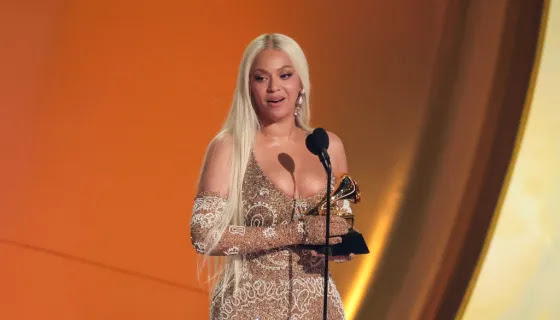
You might find it intriguing that a man accused of stealing Beyoncé’s unreleased music has pleaded not guilty. He claims he never accessed or possessed the tracks, and his defense argues that any similarities to his work are coincidental. With the music industry closely watching this case, the implications for artists’ intellectual property rights could be significant. What happens next in this high-profile trial could reshape how music is protected in the digital age.
Overview of the Allegations Against the Accused
As the investigation unfolds, you’ll find that the accusations against the man charged with stealing Beyoncé’s music are serious.
Authorities allege he unlawfully accessed private recordings and used them without permission. Reports claim he’d inside knowledge of her unreleased tracks and attempted to distribute them online.
Fans and industry insiders are shocked, given Beyoncé’s reputation for protecting her work fiercely. The man’s actions are said to have caused significant potential financial damage to her brand and artistic integrity.
Witnesses have come forward, suggesting he’d a motive rooted in financial gain. This situation raises critical questions about intellectual property rights and the lengths some individuals will go to exploit the music industry for profit.
The stakes couldn’t be higher.
What Are the Legal Implications of Music Theft Today?
While the music industry has always faced challenges regarding copyright and intellectual property, the legal implications of music theft today are more pronounced than ever.
You’ll find that the rise of digital distribution has made it easier for artists to share their work but also simpler for infringers to steal it. Copyright laws are strict, and when someone unlawfully uses an artist’s work, they can face severe penalties, including hefty fines and potential jail time.
Moreover, lawsuits can be costly and time-consuming, potentially damaging reputations. It’s crucial for artists to protect their intellectual property, and as a listener, you should respect their rights.
Understanding these legal implications helps foster a fairer industry, ensuring that creators receive the recognition and compensation they deserve.
Background on Beyoncé’s Unreleased Music: What’s at Stake?
What makes Beyoncé’s unreleased music so valuable? For starters, it represents her creative genius and artistic evolution. Fans are always eager for new material, and leaks can significantly impact her brand.
When unreleased tracks surface, they can lead to unauthorized distribution and loss of potential revenue. Additionally, there’s a sense of anticipation surrounding her music; each unreleased song holds the promise of fresh themes and sounds that could redefine the industry.
The emotional connection fans have with her work amplifies this value. If someone steals this music, it jeopardizes Beyoncé’s carefully curated narrative and artistic integrity.
The stakes are high, not only for her career but also for her fans who cherish the authenticity of her artistry.
What Defense Arguments Are Being Made by the Accused?
Several defense arguments are being put forth by the accused in the case involving the alleged theft of Beyoncé’s music.
First, he claims he’d no access to the unreleased tracks, asserting they were never in his possession. He argues that any similarities between his work and Beyoncé’s music are purely coincidental.
Additionally, the defense points out that the prosecution lacks concrete evidence linking him to the alleged theft, suggesting that accusations are based on speculation rather than fact.
Furthermore, the accused emphasizes his background in music, asserting that he creates original content and wouldn’t jeopardize his career by stealing from a high-profile artist.
These arguments aim to cast doubt on the prosecution’s case and establish his innocence.
How Are Fans and the Music Industry Reacting?
How are fans and the music industry responding to the accusations against the man alleged to have stolen Beyoncé’s music? Reactions are mixed, with many fans outraged, expressing their disbelief on social media.
They’re rallying around Beyoncé, emphasizing the importance of protecting artists’ rights. Some industry insiders are weighing in, stressing that music theft erodes trust and creativity. They’re calling for stricter measures to prevent such incidents in the future.
Conversely, a segment of fans is skeptical, questioning the validity of the accusations. They’re curious about the potential impact on future collaborations and projects.
What Precedents Exist in Music Theft Cases?
The accusations against the man alleged to have stolen Beyoncé’s music bring to light several notable precedents in music theft cases.
One significant case is the “Blurred Lines” lawsuit, where Robin Thicke and Pharrell Williams faced legal action for copying Marvin Gaye’s “Got to Give It Up.” The jury ruled in favor of Gaye’s estate, emphasizing the importance of originality in music.
Another example is the case involving Led Zeppelin and “Stairway to Heaven,” where the court ultimately found that the band didn’t infringe on Spirit’s “Taurus.”
These cases highlight the complexities of music theft laws, showing that while some artists face consequences, others may successfully defend their work. Understanding these precedents is crucial for anyone involved in the music industry.
How Copyright Protects Artists Against Music Theft
While many may not realize it, copyright plays a vital role in protecting artists from music theft. It grants you exclusive rights to your creations, ensuring that only you can reproduce, distribute, and perform your music.
This legal protection means that if someone uses your work without permission, you have the right to take action against them. Copyright also allows you to license your music, generating income while maintaining control over how it’s used.
By registering your work with copyright offices, you strengthen your position in any legal disputes. Essentially, copyright empowers you to safeguard your artistic integrity and financial interests, making it a crucial tool for anyone in the music industry.
Protecting your music means protecting your livelihood.
What Are the Possible Outcomes of the Trial?
As the trial unfolds, various outcomes could reshape the landscape for both the accused and the music industry.
If the jury finds the man guilty, he might face hefty fines or even jail time, setting a precedent for music theft cases.
On the other hand, if he’s acquitted, it could embolden others to take risks with intellectual property, complicating the already tricky terrain of music rights.
A settlement could also arise, allowing both parties to avoid a drawn-out battle, which might lead to an undisclosed agreement that impacts future music collaborations.
No matter the result, each outcome holds the potential to influence how artists protect their work and how the industry navigates copyright issues moving forward.
How Could This Case Influence Future Music Releases?
If the trial results in a conviction, it could significantly change how artists approach their music releases.
You’ll likely see an increase in security measures surrounding unreleased tracks, as musicians become more cautious. This case may lead to stricter contracts and copyright protections, ensuring that their work remains safe from theft.
Artists might also adopt more robust digital rights management tools, preventing unauthorized access to their music. Additionally, the fear of legal repercussions could make some hesitate to collaborate with others, impacting the creative process.
Public Sentiment: Support for Beyoncé vs. the Accused
Given the high-profile nature of the case, public sentiment is heavily leaning in favor of Beyoncé, with many fans expressing outrage over the alleged theft of her music.
Social media platforms are buzzing with support for her, as fans rally behind the star, emphasizing her contributions to the music industry. You’ll find numerous hashtags trending, celebrating her artistry and calling for justice.
On the other hand, the accused has his supporters, too, arguing for fairness and due process. They believe he deserves a chance to defend himself without public judgment.
However, the overwhelming narrative remains focused on Beyoncé, highlighting the emotional connection her fans feel towards her work and the perceived injustice of the situation.
Conclusion
In conclusion, this case highlights the critical need for robust protections against music theft in today’s digital world. As the trial unfolds, the outcome will not only impact Beyoncé but also set a precedent for how artists safeguard their work. Fans will continue rallying behind her, while the accused maintains his innocence. Regardless of the verdict, this situation underscores the ongoing battle over intellectual property rights in the music industry, shaping future releases and artist protections.