music_note

The Different Sizes of Vinyl Records: 45s, 12-Inch Singles, and Regular LPs
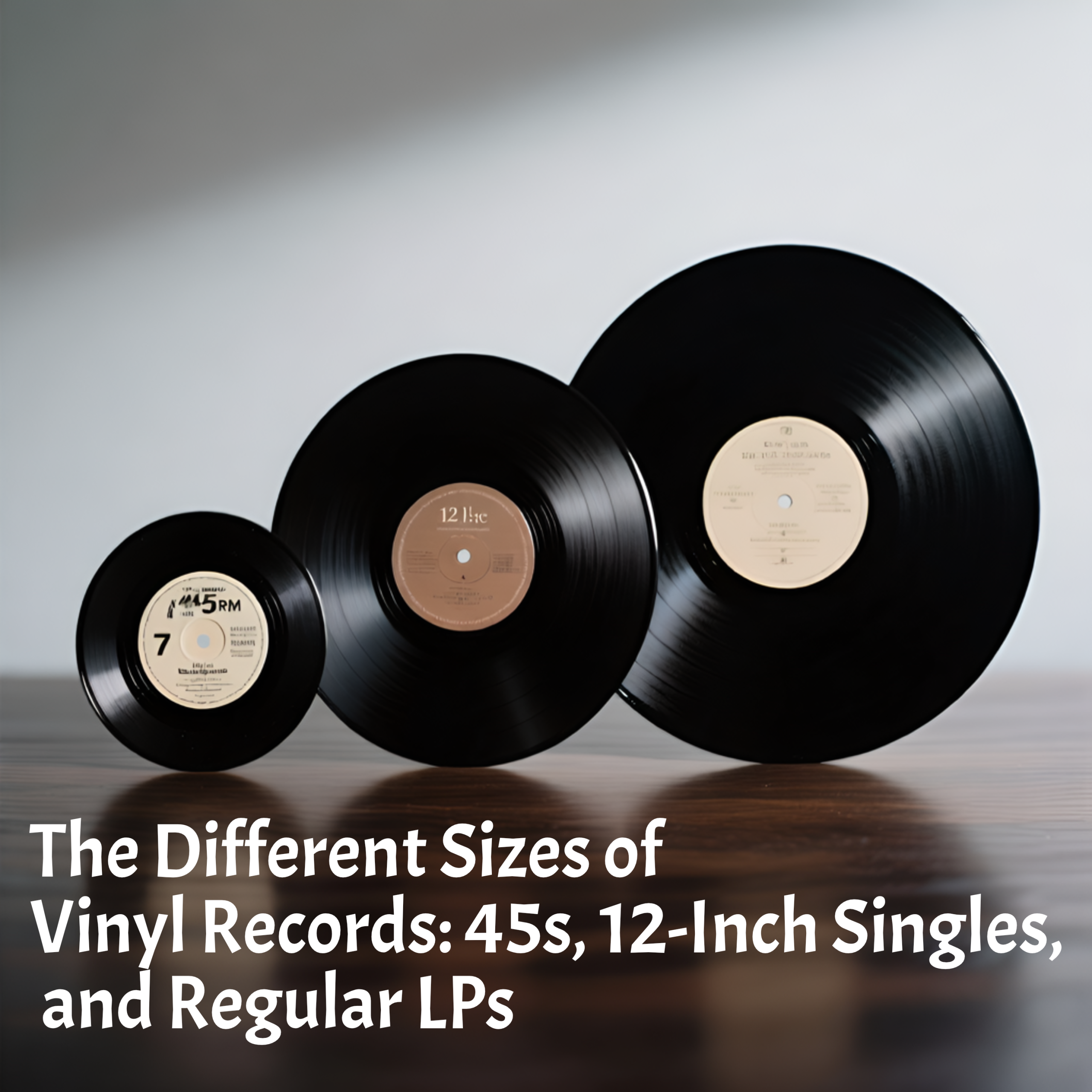
Vinyl records are more than just music. They are history, culture, artwork, and sound all pressed into grooves. Before streaming and digital downloads, records were how people discovered songs, played music at home, and kept parties moving.
But not all records were the same size. Some were small and made for hit singles. Some were large and made for full albums. Others were built for DJs, clubs, and extended mixes.
When people talk about vinyl, they usually mention 45s, 12-inch records, and regular album records. Each one had its own purpose, sound, and place in music history.
The 45 RPM Record: The Small Record with the Big Hit
The 45 RPM record is often the smaller vinyl record, usually 7 inches wide. Many people simply called them “45s” because they played at 45 revolutions per minute.
These records were mostly used for singles. That means one popular song would usually be on the A-side, while another song, remix, or lesser-known track would be on the B-side.
For many music lovers, the 45 was the record you bought when you loved one song on the radio. It was affordable, easy to carry, and perfect for jukeboxes.
A 45 record was often used for:
- Hit singles
- Radio-friendly songs
- Jukebox music
- Promotional releases
- Collector editions
The 45 was small, but it had major power. Many classic soul, R&B, reggae, rock, disco, and pop hits first became popular on 45s.
The 12-Inch Record: Made for DJs and the Dance Floor
The 12-inch record became especially important in disco, funk, R&B, hip-hop, reggae, house, and club music.
Unlike the smaller 45, the 12-inch record gave the grooves more space. That extra space allowed for louder sound, deeper bass, and longer versions of songs. This made it perfect for DJs.
Many 12-inch singles included:
- Extended mixes
- Club mixes
- Instrumentals
- Dub versions
- Remixes
- Radio edits
In the disco era, the 12-inch single became a serious tool for DJs. A regular radio version might be three or four minutes long, but the 12-inch version could stretch the groove, add longer intros, give dancers more time, and let DJs mix songs together smoothly.
For radio stations and club DJs, the 12-inch record was gold. It gave them more room to work with and helped keep the music flowing without stopping the vibe.
The Regular Size Record: The Classic LP Album
When most people think of a regular vinyl record, they are usually thinking of the 12-inch LP, also known as a full-length album.
An LP usually plays at 33 1/3 RPM and can hold several songs on each side. This was the format used for albums from artists and groups.
The LP was where artists could tell a bigger story. Instead of just one single, you got a full musical experience. You could hear the hits, the slow jams, the deep cuts, the interludes, and the songs that never made it to radio but still became fan favorites.
A regular LP album was used for:
- Full albums
- Greatest hits collections
- Live albums
- Concept albums
- Soundtracks
The LP also gave fans something visual. The album cover, liner notes, photos, credits, and artwork became part of the experience. Holding an LP felt like holding a piece of the artist’s world.
45s vs. 12-Inch Singles vs. LP Albums
Each record type had its own personality.
The 45 was quick, catchy, and made for the hit song. It was the record you bought when a song grabbed your heart from the radio.
The 12-inch single was made for the groove. It gave DJs and dancers longer versions, stronger sound, and more room to enjoy the rhythm.
The LP album was the full journey. It let the artist speak beyond one song and gave listeners a complete body of work.
Together, these records shaped how people listened to music for decades.
Why Record Size Mattered
The size of a record affected how much music could fit on it and how strong the sound could be.
A smaller 7-inch 45 usually held one song per side. A 12-inch single could hold a longer version with better spacing in the grooves. A 12-inch LP could hold a full album, but because it had more songs, the grooves were often packed closer together.
That is why DJs often loved 12-inch singles. They were louder, clearer, and better for mixing. Collectors loved LPs for the full album experience. And everyday music fans loved 45s because they were simple, fun, and focused on the hit.
The Beauty of the B-Side
One of the most exciting things about records was the B-side.
On a 45, the A-side was usually the song the record label wanted to promote. But the B-side sometimes became just as important. Some B-sides turned into classics. Others became hidden gems loved by real fans.
For DJs and collectors, flipping the record over was part of the fun. You never knew when the other side would surprise you.
Why Vinyl Records Still Matter Today
Even though music is now mostly digital, vinyl records still have a special place in music culture. People love them because they feel real. You can hold them, collect them, display them, and play them.
Vinyl also connects listeners to a different time, when music required attention. You had to take the record out of the sleeve, clean it, place it on the turntable, and gently drop the needle.
That ritual made the music feel personal.
For radio lovers, DJs, and collectors, vinyl will always represent the golden connection between sound and soul.
Final Thoughts
The 45, the 12-inch single, and the regular LP record each played an important role in music history.
The 45 gave us the hit single.
The 12-inch single gave DJs the power to stretch the groove.
The regular LP gave artists the space to create full musical stories.
Together, they helped shape radio, dance floors, record stores, jukeboxes, and home music collections around the world.
Vinyl records were not just music formats. They were moments. They were memories. They were the soundtracks of people’s lives, spinning one groove at a time.