music_note

Why Music Memories Hit Harder Than Any Playlist
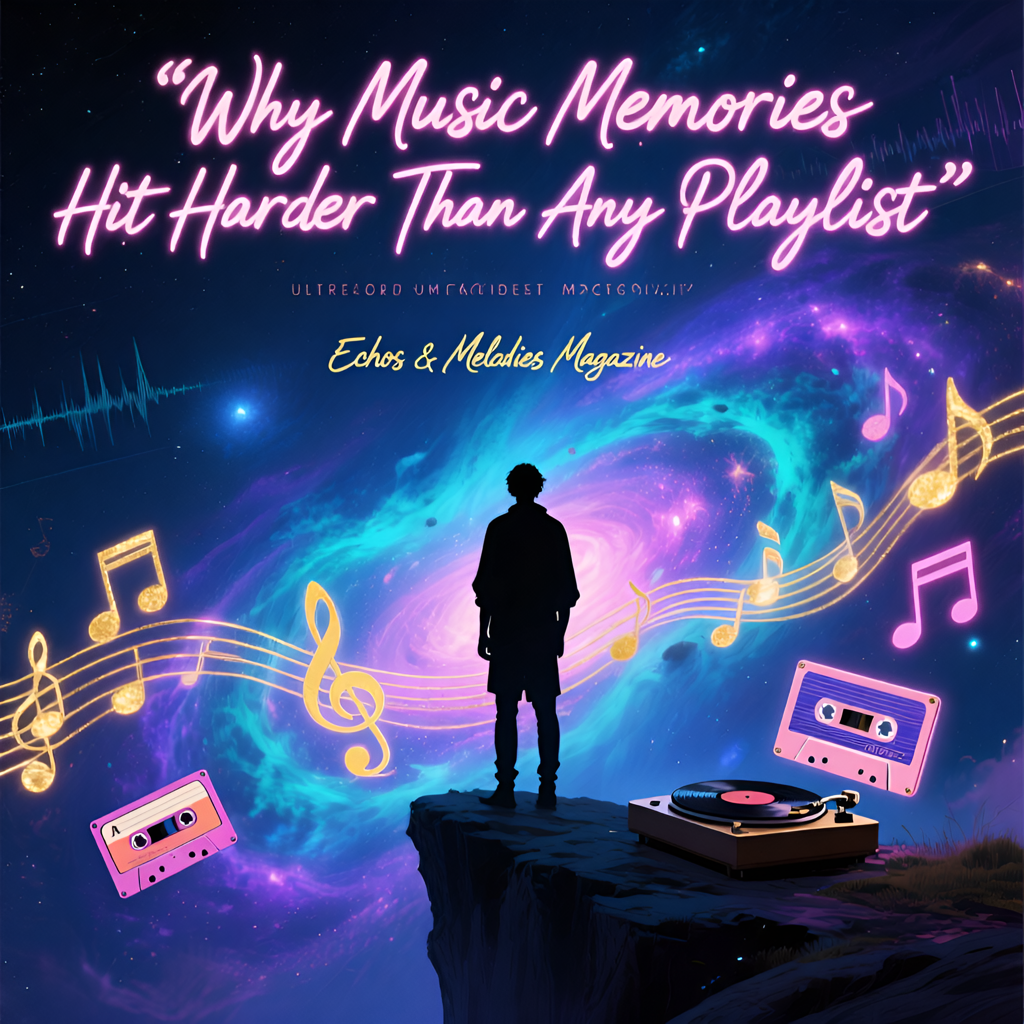
Think about a song that takes you back to a specific moment in your life. You can probably feel the emotions tied to that memory. Now, consider how playlists, while enjoyable, often lack that depth. They play in the background, but don’t really resonate. What makes those musical memories so powerful? Understanding this connection might just change how you interact with music forever. Let’s explore the science behind it.
The Science Behind Music and Memory
Although you mightn’t realize it, the connection between music and memory runs deep in the brain. When you hear a familiar song, specific neural pathways activate, triggering memories tied to that tune. This happens because music engages multiple areas of your brain, including the hippocampus, which plays a crucial role in forming new memories.
The rhythm and melody can also create strong associations, making it easier for you to recall moments from your past. Interestingly, your brain processes music similarly to how it processes language, enhancing your ability to connect emotional experiences with specific sounds.
This powerful link explains why a simple song can transport you back to a moment in time, evoking vivid memories and feelings.
How Music Triggers Emotional Responses
Music has a unique ability to evoke strong emotional responses, often catching you off guard with its power. When you hear a familiar melody, it can transport you back to a moment in time, triggering feelings of joy, nostalgia, or even sadness.
The brain processes music in ways that stimulate emotional centers, making you feel understood or connected. A simple chord progression can tap into your experiences, often reflecting your own struggles or triumphs.
Whether it’s an upbeat song that lifts your spirits or a ballad that resonates with your heartache, music serves as a powerful emotional outlet. You might find yourself smiling, crying, or feeling an overwhelming sense of comfort—all thanks to the magic of sound.
How Memories Influence Our Music Choices
Emotional connections to music often stem from the memories tied to specific songs or genres. When you hear a particular track, it can instantly transport you back to a moment in time—like your first dance or a road trip with friends.
These memories shape your preferences, guiding you toward artists and styles that resonate with those experiences. You might find yourself gravitating towards upbeat tunes during happy times or seeking solace in ballads during moments of sadness.
This interplay between memory and music choice creates a personal soundtrack to your life, influencing what you listen to and why. Ultimately, your unique experiences deepen your connection to certain songs, making them feel like an extension of who you are.
The Impact of Nostalgia on Music Preferences
As you navigate through life, nostalgia often shapes your music preferences in profound ways. When you hear a song from your past, it can instantly transport you back to a moment filled with emotion.
Those tunes remind you of friendships, first loves, or even family gatherings. You might find yourself gravitating toward artists or genres that were popular during pivotal times in your life. This connection enhances your listening experience, making it feel more meaningful.
Nostalgia isn’t just about reminiscing; it influences what you seek out today. Instead of random playlists, you often lean toward tracks that evoke those cherished memories, reinforcing the idea that music isn’t just sound—it’s a powerful vessel for personal history and emotional resonance.
Key Differences Between Music and Curated Playlists
Nostalgia shapes your music experiences, but the way you encounter those songs can vary significantly. When you listen to music in its original context—like a live concert or a cherished childhood moment—it often triggers deeper emotional responses.
On the other hand, curated playlists, while convenient, can feel more like background noise. They’re designed for specific moods or activities, which can dilute the personal connection you have with individual tracks. With playlists, you might skip through songs, missing the chance to truly absorb them.
In contrast, experiencing a song in its entirety allows you to relive memories and emotions, making those moments unforgettable. Ultimately, it’s this personal touch that sets music apart from curated playlists.
Creating Playlists to Evoke Musical Memories
When you craft playlists to evoke musical memories, you’re not just selecting songs; you’re curating experiences that resonate with your past.
Think about the moments tied to each track—first dances, road trips, or quiet nights in. Choose songs that remind you of specific people or places, and consider how they make you feel.
Mixing genres can heighten nostalgia, blending upbeat tracks with slower ballads to create an emotional journey. As you build your playlist, pay attention to song order; transitions can enhance the narrative.
Finally, don’t shy away from including sounds that may seem unusual. They might trigger unexpected memories.
In the end, your playlist becomes a time capsule, transporting you back to cherished moments with every listen.
Conclusion
In the end, music memories resonate more powerfully than any curated playlist. They pull you back to cherished moments, igniting emotions that playlists just can’t replicate. By understanding the science behind these connections, you can harness the power of nostalgia to enhance your music choices. So, next time you listen, consider how those familiar tunes connect to your life. Embrace those memories and let them shape your musical journey—it’s where the real magic happens.