music_note

Cardi B’s Copyright Infringement Lawsuit Tossed By Judge
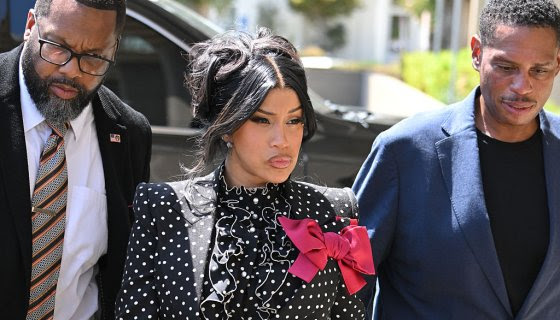
You might find it interesting how Cardi B’s recent copyright infringement lawsuit was dismissed by a judge, highlighting the complexities of copyright law in music. The case centered around claims of lifted lyrics and financial harm, but the judge concluded there wasn’t enough evidence to support the allegations. This raises questions about what truly constitutes inspiration versus infringement. What does this mean for artists navigating similar challenges?
The Background of the Copyright Infringement Lawsuit
Cardi B’s copyright infringement lawsuit stems from claims that her hit song “Get Up 10” borrowed heavily from another artist’s work without permission.
The artist in question, who feels wronged, argues that certain lyrics and the overall essence of the song closely resemble their own material. This dispute raises questions about originality and creativity in the music industry.
You might wonder how such cases unfold, as they can involve extensive legal battles and negotiations.
Cardi’s team insists that any similarities are coincidental, emphasizing her unique style and artistry.
As the lawsuit progresses, both sides prepare to present their arguments, making it a pivotal moment in Cardi’s career.
Your attention to this case could shed light on broader issues surrounding artistic ownership.
Key Aspects of Copyright Law in Music
Copyright law in music plays a vital role in protecting artists’ rights and ensuring originality in their work. It grants creators exclusive rights to reproduce, distribute, and perform their music, preventing unauthorized use.
When you create a song, it’s automatically protected by copyright, but registering it with the U.S. Copyright Office strengthens your legal position.
Fair use is another key concept; it allows limited use of copyrighted material without permission, often for criticism, commentary, or education. However, determining fair use can be complex, involving factors like purpose and amount used.
Violations can lead to lawsuits, which often hinge on proving substantial similarity between works. Understanding these aspects helps you navigate the music industry while protecting your creative output.
Key Players in the Case: Cardi B and the Accuser
While navigating the complexities of the copyright infringement lawsuit, you’ll find two main players at the center: Cardi B and her accuser.
Cardi B, a prominent figure in the music industry, is known for her bold style and chart-topping hits. Her unique voice and charisma have garnered her a massive following, but they also place her under scrutiny in legal matters.
On the other side, the accuser claims that Cardi B borrowed elements from their work without permission, igniting the legal battle.
This case emphasizes not only the challenges artists face in protecting their creations but also the fine line between inspiration and infringement.
As the lawsuit unfolds, both parties’ reputations and futures in the industry hang in the balance.
Allegations Against Cardi B
In this legal battle, the allegations against Cardi B center around claims that she incorporated elements from the accuser’s work without obtaining the necessary permissions.
The accuser argues that specific lyrics and musical components were lifted from their original creation, asserting that this unauthorized use not only violated copyright laws but also caused financial harm.
Cardi B, on the other hand, maintains that her work stands independently and that any similarities are purely coincidental.
The accuser’s team insists that they’ve got substantial evidence to back their claims, including side-by-side comparisons of the works.
As the case unfolds, the focus remains on whether Cardi B will face repercussions for allegedly infringing on the accuser’s creative rights.
The Judge’s Ruling: Key Takeaways
After weeks of deliberation, the judge issued a ruling that could reshape the landscape of copyright claims in the music industry.
The court found that the claims against Cardi B lacked sufficient evidence to support the infringement allegations. It emphasized the importance of clear ownership and originality in copyright cases.
The ruling also pointed out that using samples or influences isn’t inherently infringing, as long as they don’t directly copy protected elements. This decision sets a precedent, reinforcing that not every similarity equates to copyright violation.
Additionally, the judge stressed the need for plaintiffs to provide compelling proof of their claims. Overall, this ruling may discourage frivolous lawsuits and encourage fair use in creative expression.
How This Ruling Affects Cardi B’s Career
The judge’s ruling not only clears Cardi B of copyright infringement but also significantly impacts her career trajectory.
With this legal hurdle behind her, you’ll see Cardi focusing on new music and collaborations without the weight of a lawsuit. This ruling reinforces her position in the industry, allowing her to reclaim her narrative and protect her artistic endeavors.
It also boosts her public image, showing she can overcome challenges with resilience. As she moves forward, expect her to expand her brand, possibly exploring ventures in fashion or acting.
Ultimately, this decision empowers Cardi to continue evolving as an artist, enhancing her influence and legacy in the music world.
How Artistic Expression and Copyright Intersect
While navigating the creative landscape, artists often grapple with the fine line between inspiration and infringement. You might feel inspired by another creator’s work, but translating that inspiration into your own can be tricky.
Copyright laws exist to protect original expressions, but they can also stifle creativity if applied too rigidly. When you create, you want to honor existing works while ensuring your expression remains distinct.
This balancing act is crucial; it promotes innovation without crossing legal boundaries. Understanding copyright can empower you to create freely, but it also requires you to be mindful of others’ rights.
Ultimately, you’re part of a larger conversation, and respecting artistic integrity benefits everyone in the creative community.
Reactions From Fans and Legal Experts
Many fans and legal experts are weighing in on Cardi B’s copyright infringement lawsuit, sparking a mix of support and skepticism.
Some fans argue that the ruling protects artistic freedom, allowing artists to draw inspiration without fear of litigation. They believe it encourages creativity and innovation in the industry.
On the other hand, legal experts express concern that this could set a precedent for future cases, potentially undermining the rights of original creators. They highlight the fine line between inspiration and infringement, emphasizing the need for clearer guidelines.
Many wonder how this decision might impact Cardi B’s future projects and collaborations, while others remain hopeful that it will foster a more supportive environment for artists navigating copyright issues.
Predictions for Copyright Lawsuits in the Music Industry
As artists continue to push creative boundaries, you can expect an uptick in copyright lawsuits within the music industry.
With genres blending and sampling becoming more prevalent, the lines between inspiration and infringement are getting blurrier. You might see more established artists suing newcomers over alleged similarities, as they want to protect their intellectual property.
Additionally, the rise of social media platforms means more music is shared and remixed, leading to potential disputes over ownership.
As a listener, you should be aware that these legal battles could influence how artists create and distribute their work.
Expect a shift in how copyright laws are interpreted, as courts navigate the complexities of modern music creation.
Broader Implications for Artists Facing Copyright Issues
When artists face copyright issues, the broader implications can ripple through their careers and the music industry as a whole. You might find that a single lawsuit can set a precedent, influencing how future cases are handled.
If a prominent artist like Cardi B has her case dismissed, it could embolden others to push boundaries in creative expression. On the flip side, it might also deter artists from experimenting for fear of litigation. This dynamic can stifle innovation and collaboration.
Additionally, you may notice how smaller artists are affected; they often lack the resources to fight lengthy legal battles. Ultimately, navigating copyright challenges requires not just legal savvy, but also a keen understanding of the industry’s evolving landscape.
Conclusion
In dismissing Cardi B’s copyright infringement lawsuit, the judge reaffirmed the fine line between inspiration and plagiarism in music. As the industry evolves, it’s crucial for artists like you to understand the complexities of copyright law. This case sheds light on the ongoing challenges creators face, reminding you that originality can often be subjective. As you navigate your own artistic journey, staying informed about these legal nuances will help protect your creativity and ensure your work remains uniquely yours.