music_note

Vinyl Records: Why We Used Alcohol to Keep the Music Playing Smoothly
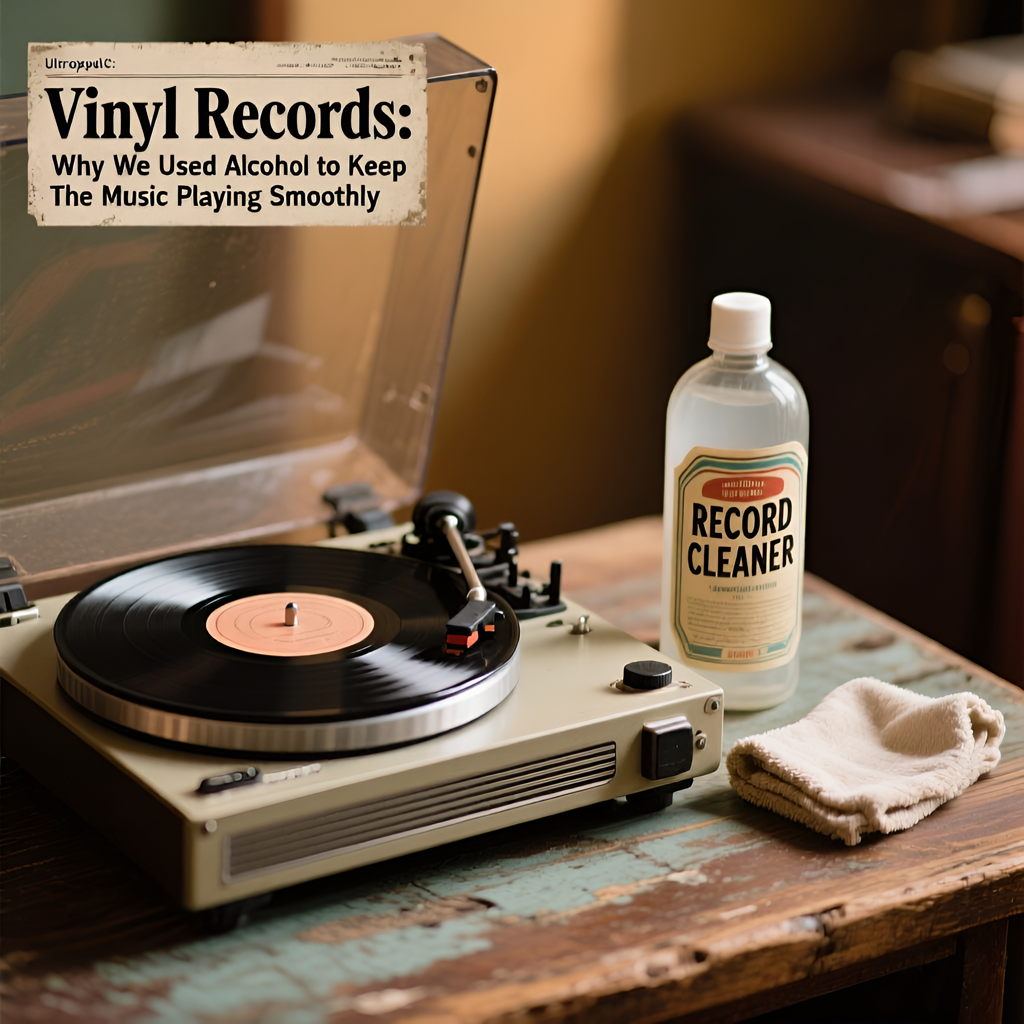
There is something special about vinyl records. Before streaming, playlists, and digital downloads, music lived on grooves. You did not just press play. You handled the record, placed it on the turntable, lowered the needle, and waited for that warm crackle before the music came alive.
For many music lovers, DJs, collectors, and radio people, vinyl was more than a format. It was part of the culture. The sound, the artwork, the smell of the sleeve, and the careful cleaning ritual all helped make vinyl feel personal.
One old-school cleaning method many people remember is using alcohol on records to help keep them clean and playing smoothly. But why did people do that? And was it always a good idea?
Why Vinyl Records Needed Cleaning
Vinyl records collect dust, fingerprints, smoke residue, and static. Because the music is stored inside tiny grooves, even a small amount of dirt can affect the sound.
A dirty record can cause:
- Crackling and popping sounds
- Skipping
- Distortion
- A dull or muffled sound
- Extra wear on the needle
- Damage to the grooves over time
That is why record lovers always paid attention to cleaning. Keeping the record clean helped the needle move through the grooves more smoothly, giving the music a cleaner, warmer sound.
Why People Used Alcohol on Records
Alcohol was commonly used because it helped break down oils, fingerprints, and greasy residue. When someone touched the record surface, natural oils from their fingers could get into the grooves. Alcohol helped remove that buildup.
It also evaporated quickly, which made it attractive for cleaning. People liked the idea that it would clean the record without leaving too much moisture behind.
For DJs and radio stations, this mattered even more. Records were played often, sometimes every day. A clean record meant fewer skips, fewer pops, and a smoother broadcast. When you are trying to keep the music flowing, especially live on air, a clean record could make a big difference.
The Old-School Cleaning Ritual
Back in the vinyl days, many people had their own cleaning routine. Some used a soft cloth, some used record brushes, and others used homemade cleaning mixtures.
A common routine looked something like this:
First, the record was placed flat on a clean surface or on the turntable. Then a small amount of cleaning solution was applied to a soft cloth or record brush. The record was wiped gently in the direction of the grooves, never across them. After that, it was allowed to dry before playing.
The goal was simple: remove dust and oil so the needle could ride the grooves smoothly.
The Important Warning About Alcohol
Even though alcohol was used by many people, it was not always safe for every record.
Alcohol should never be used on old shellac 78 RPM records. Shellac records can be damaged by alcohol, causing the surface to break down.
Even with vinyl LPs and 45s, too much alcohol or using it too often can be risky. Strong alcohol mixtures may dry out or damage the record surface over time. That is why many modern collectors prefer record-cleaning solutions made specifically for vinyl.
So yes, alcohol was used because it cleaned well, but it had to be used carefully.
Better Ways to Clean Vinyl Today
Today, vinyl collectors have more options. Instead of using straight alcohol, many people use:
- Anti-static record brushes
- Microfiber cloths
- Vinyl-safe cleaning sprays
- Record-cleaning machines
- Distilled water-based cleaning solutions
- Inner sleeves that reduce dust and static
These methods are safer and better designed for preserving vinyl long-term.
For light dust, an anti-static brush before each play is often enough. For deeper cleaning, a proper vinyl record solution is usually the better choice.
Keeping the Music Going Smoothly
The whole reason people cleaned records was to protect the music. Vinyl is a physical format, and every pop, crackle, fingerprint, and piece of dust could affect the listening experience.
When records were clean, the sound opened up. The bass felt warmer. The vocals sounded clearer. The needle moved smoothly. The music felt alive.
That is part of what made vinyl so beautiful. You had to care for it. You had to respect the record. And when you did, it gave you that rich, soulful sound that digital music still tries to imitate.
Final Thoughts
Using alcohol on records came from a practical place. People wanted to remove dirt, oil, and dust so the music could play clearly and smoothly. For radio stations, DJs, and music lovers, clean records meant better sound and fewer interruptions.
But today, we know that alcohol must be used with caution. It can damage certain types of records, especially shellac 78s, and it may not be the best long-term cleaning method for vinyl.
The lesson remains the same: take care of the music, and the music will take care of the moment.
Vinyl records remind us that music was never just something we heard. It was something we touched, cleaned, collected, protected, and loved.