Listeners:
Top listeners:
-
 play_arrow
All Vibin’ Disco Where the Groove Never Stops
-
 play_arrow
Tropik Riddim Radio Reggae At It's Best 24/7
-
 play_arrow
Seductively Silky Radio The Best In Slow Jams 24/7
-
 play_arrow
Seductive Vibes Radio For All The Lovers. And The Lovers Of Music
music_note

The Supremes – Floy Joy: Motown’s Elegant Reinvention
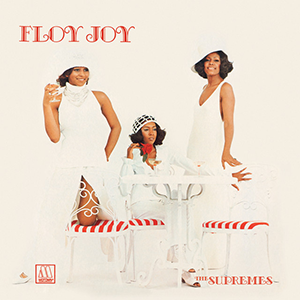
By 1972, The Supremes were no longer just a group — they were a living piece of pop history.
But with Diana Ross gone and a new era unfolding, the challenge was clear: could the world’s most famous girl group continue to thrive without the voice that had carried them to glory?
The answer came with Floy Joy, a smooth, confident statement that proved The Supremes’ magic wasn’t tied to one person — it was a sound, a legacy, and a spirit of reinvention.
🎤 The Lineup: A New Chapter
Floy Joy marked the era of Mary Wilson, Jean Terrell, and Cindy Birdsong — a trio that carried themselves with grace and quiet strength.
Jean Terrell, who replaced Diana Ross in 1970, brought a soulful warmth that differed from Ross’s pop polish. Mary Wilson’s velvet tone provided a grounding richness, while Cindy Birdsong (formerly of Patti LaBelle & The Bluebelles) contributed delicate harmonies that completed the blend.
Together, they gave The Supremes a renewed balance — earthy, mature, and emotionally resonant.
🎵 The Smokey Robinson Connection
Produced entirely by Smokey Robinson, Floy Joy was a deliberate attempt to recapture The Supremes’ classic Motown elegance while adding new sophistication.
Smokey’s touch gave the record its charm — soft grooves, silky arrangements, and conversational lyrics wrapped in melody. He crafted songs that let the ladies sound grown and grounded, steering away from the teenage-romance themes of the ’60s toward a more refined emotional palette.
💿 The Tracks
“Floy Joy”
The title track and lead single is pure Smokey — breezy, catchy, and deceptively simple.
With its playful rhythm and whimsical phrasing, the song feels like an afternoon stroll down a Detroit boulevard, filled with optimism and sunshine.
Jean Terrell’s smooth delivery gives it heart, while Mary Wilson’s backing vocals shimmer with warmth.
It became a hit, peaking at #16 on the Billboard R&B chart and #18 on the UK Singles Chart — proof that the Supremes still had chart power.
🎧 Fun fact: Smokey Robinson’s signature lyrical playfulness is in full swing here — “Floy Joy” isn’t a person, but a mood, a vibe, a spark of joy.
“Automatically Sunshine”
The follow-up single, “Automatically Sunshine,” is the album’s highlight — a radiant, upbeat track that embodies the carefree charm of early ’70s soul-pop.
Jean and Mary trade lead lines effortlessly, while Cindy’s harmonies float beautifully over Smokey’s polished production. The song reached #10 in the UK, becoming a fan favorite overseas.
Its message — finding brightness and optimism in love — fit perfectly in a world that was still chasing the hopeful spirit of the Motown sound.
“Your Wonderful, Sweet Sweet Love”
This tender mid-tempo gem finds The Supremes at their most graceful. The song feels intimate, with Jean’s emotive phrasing evoking quiet devotion rather than drama. It later became a popular track among Northern Soul enthusiasts.
“The Wisdom of Time”
A lesser-known but standout cut, “The Wisdom of Time” shows the group’s maturity. It’s introspective, philosophical, and beautifully arranged — a moment of reflection that feels timeless.
🎧 The Sound & Style
Floy Joy represented a new sound for The Supremes:
-
Softer instrumentation with light percussion and jazz-inspired arrangements
-
A shift from youthful exuberance to grown-woman sophistication
-
Vocals that leaned on ensemble unity rather than a dominant lead
Smokey Robinson’s influence made this album feel both familiar and forward-looking — a gentle reminder of what made Motown music so universal.
🌟 Chart Success & Critical Response
While Floy Joy didn’t reach the commercial heights of the Ross-led era, it held its own.
The album reached #54 on the Billboard 200 and #12 on the R&B Albums chart, giving Motown reason to believe The Supremes still had longevity.
Critics praised the smooth vocal interplay between Terrell and Wilson, with several reviews noting that Floy Joy felt like the “grown-up sister” to their earlier bubblegum hits.
🕊️ Legacy
In hindsight, Floy Joy captures a poignant moment in Motown history — a time when The Supremes were finding their voice again in a changing musical landscape.
Jean Terrell’s era (1970–1973) is often overlooked, but it represents one of the most artistically graceful transitions in pop music. The group traded glitter for soul, glamour for depth — and Floy Joy stands as the centerpiece of that transformation.
Smokey Robinson’s writing gave them dignity and warmth. Mary Wilson’s steady presence anchored the group through the change. And Jean Terrell’s elegant tone proved that The Supremes’ legacy wasn’t about one voice — it was about harmony, resilience, and reinvention.
💬 Final Reflection
Floy Joy may not have been a blockbuster, but it was a beautiful rebirth. It’s the sound of The Supremes maturing gracefully — embracing change, celebrating harmony, and shining in their own light.
🎵 “Automatically sunshine, whenever you’re near…”
That lyric sums it up. Even through transition, The Supremes never lost their light.